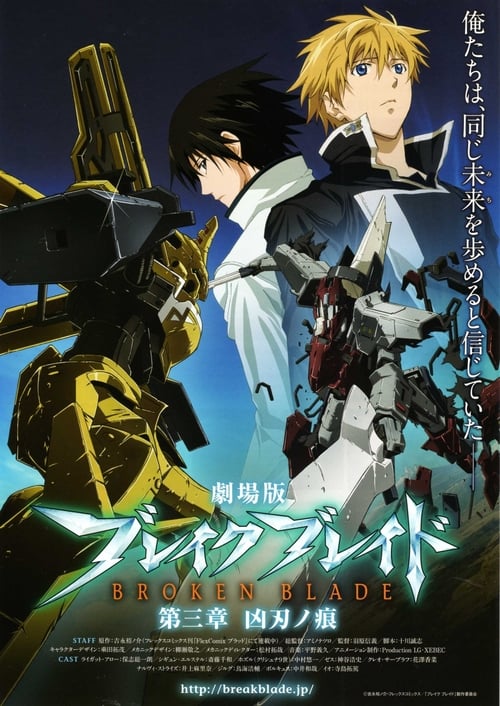
Broken Blade: Scars from an Assassin's Blade
2010
No user ratings available yet
Representation score: 6.7 out of 10
Representation Score
Fair
2010
TV-14Director
Tetsuro Amino, Nobuyoshi Habara
Runtime
51 minutes
Average Rating
No ratings yetNew Showbiz Analysis
Broken Blade: The Time of Awakening operates primarily within the conventions of high-concept fantasy and mechanical action. The narrative's central tension is built upon a rigid social hierarchy determined by magical ability rather than identity-based diversity. While the film offers a perspective on social exclusion through its protagonist, it does so through the lens of genre clichés. The 'un-sorcerer' status serves as a metaphor for systemic disadvantage, yet the story remains focused on wartime heroics. Ultimately, the film prioritizes the spectacle of Golem combat and geopolitical conflict over a deconstruction of modern social power structures or multi-layered identities.
Category Breakdown
The narrative focuses on geopolitical warfare and mechanical action. There is no explicit mention of queer identities or non-traditional gender narratives within the main storyline.
The story centers on Rygart Arrow, a male character defined by his lack of magical abilities. Female characters exist but the core conflict revolves around male-centric technical skills.
The conflict between Krisna and Athens uses high-fantasy nationalism. Social stratification is based on magical ability rather than a nuanced exploration of ethnic or racial diversity.
The film explores systemic inequality through the underrepresented 'un-sorcerer' class. It follows a traditional hero's journey within a wartime fantasy framework.
Rygart’s inability to use quartz functions as a form of functional disability. The portrayal leans towards the 'specialized tool' cliché rather than a deep exploration of lived experience.
Present on Screen
Limited or Absent
Official Synopsis
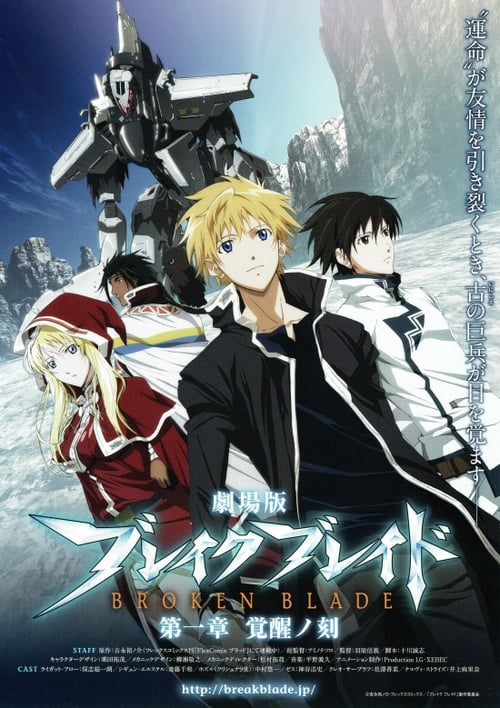
In the continent of Cruzon, an impending war between the Kingdom of Krisna and the nation of Athens is brimming. The people of this land are able to use quartz for whatever purpose they desire. Yet one person, Rygart Arrow, is not. He is an "un-sorcerer," a person unable to use quartz. But this characteristic will enable him to pilot an ancient Golem, one strong enough to put up a fight against the invading army of Athens.
2010
2007
2010

2015
2010
2011
2012
2018
No reviews yet. Be the first to share your thoughts on this movie!
Use the rating form above to leave a star rating and optional review.