
Oh! Baby
2019
No user ratings available yet
Representation score: 5.7 out of 10
Representation Score
Good
2025
Director
Nabil Ben Yadir, Mokhtaria Badaoui
Runtime
100 minutes
Average Rating
No ratings yetNew Showbiz Analysis
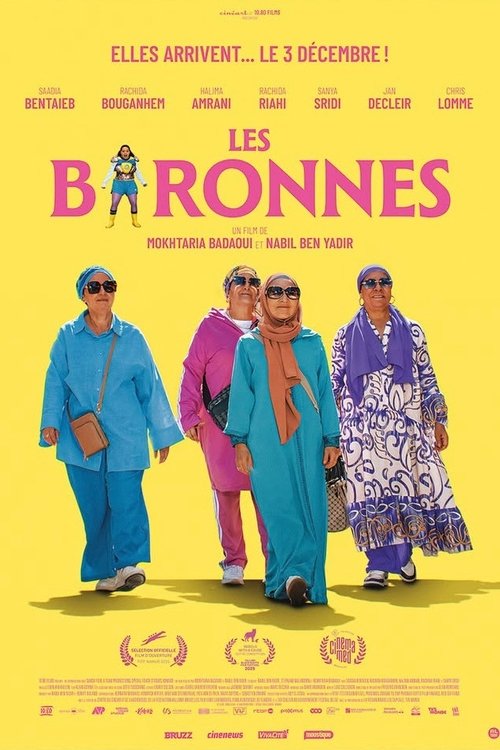
The Baronesses is a compelling study of the intersection of age, gender, and North African heritage. By focusing on a group of grandmothers from Molenbeek, the film moves beyond monolithic immigrant depictions to explore complex identities and post-colonial themes. The narrative successfully challenges traditional hierarchies, granting older women the power to disrupt both domestic and national social orders. While the film excels in gender and ethnic representation, it lacks information regarding LGBTQ+ or disability inclusion.
Category Breakdown
The film does not include any explicit mention of LGBTQ+ characters or identities focused on non-straight relationships.
The story centers on women's ability to drive the narrative, positioning four grandmothers as key figures in bringing about systemic change. It challenges familiar patterns by allowing older women to reclaim ambition and intellect through dramatic actions.
The film offers deep representation by centering a North African/Muslim female cast. The plot explores post-colonial identity and diasporic complexities through movements between Belgium and Morocco.
The narrative critiques established social orders and patriarchal institutions. It emphasizes communal empowerment and female solidarity as the characters disrupt their neighborhood and the broader national landscape.
There is no information regarding the portrayal of physical or neurodivergent disabilities within the provided story details.
Present on Screen
Limited or Absent
Official Synopsis
When 65-year-old Fatima discovers that her husband has been living a double life in Morocco for the past ten years, her world collapses. Furious and determined not to let fate get her way, she decides to pick up where she left off 50 years earlier, when she was to play Hamlet. Together with her best friends Mériem, Romaissa and Inès, three other grandmothers from Molenbeek, these "Baronnes" are about to make a decision that will turn their lives, those of their entourage, their neighborhood and the whole country upside down.
2019
2014
1993
1999

2020
2020
2006
2018
No reviews yet. Be the first to share your thoughts on this movie!
Use the rating form above to leave a star rating and optional review.