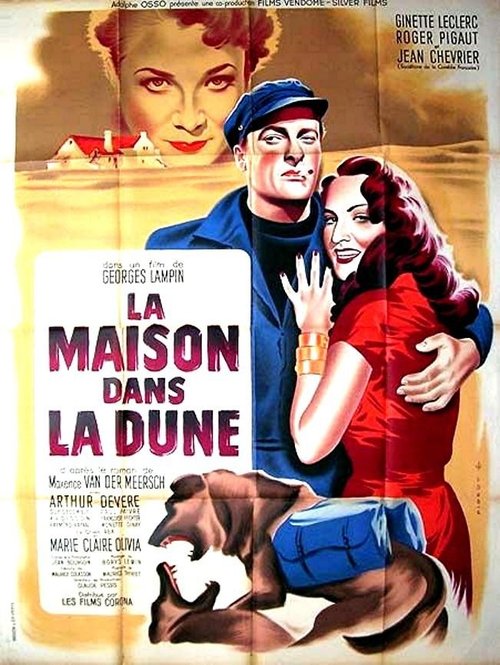
The House on the Dune
1952
No user ratings available yet
Representation score: 2.0 out of 10
No Poster Available
Representation Score
Minimal
1934
Director
Pierre Billon
Runtime
100 minutes
Average Rating
No ratings yetNew Showbiz Analysis
The House on the Dune is a traditional period drama that adheres to the standard cinematic constraints of 1934. The narrative structure relies heavily on established social hierarchies and conventional romantic clichés, such as the jealous mistress and the smuggler. While the film offers a slight departure from passive female archetypes through Pascaline's role as a provider of hospitality, it remains rooted in gendered stereotypes. The lack of multi-layered complexity or diverse casting keeps the story within a very narrow, homogeneous framework. Ultimately, the film functions as a character-driven morality tale rather than a work that disrupts or critiques social norms.
Category Breakdown
The film follows a typical romantic conflict between a smuggler and his lovers, with no evidence of non-binary or transgender identities or narratives that challenge the idea that everyone is straight or cisgender.
While Pascaline plays a significant role by providing refuge to the injured protagonist, the plot relies on traditional clichés of jealousy and domestic caretaking. The female characters drive the emotional intensity of the story.
Set on the French-Belgian border, the cast appears ethnically homogeneous. There is no indication of racial blending or non-white casting within the narrative.
The story focuses on personal morality and interpersonal jealousy rather than broader cultural institutions or anti-institutional themes. It lacks a wider exploration of diverse cultural practices.
The protagonist's injury serves primarily as a plot device to facilitate a romantic encounter. There is no evidence that physical impairment is explored as a central identity.
Present on Screen
Limited or Absent
Official Synopsis
In a village on the French-Belgian border, a smuggler named Sylvain falls in love with the pretty Pascaline, which infuriates Germaine, his mistress. The jealous woman reports Sylvain to the police. As a result, the young man gets hurt during a night chase. Fortunately Pascaline offers him hospitality and looks after him.
No reviews yet. Be the first to share your thoughts on this movie!
Use the rating form above to leave a star rating and optional review.