Being the Queen
2020
No user ratings available yet
Representation score: 3.1 out of 10
Representation Score
Limited
2018
TV-14Director
Louise Lockwood
Runtime
63 minutes
Average Rating
No ratings yetNew Showbiz Analysis
The documentary navigates a nuanced space between modern identity and historical tradition. It earns credit through the importance of David Hockney, whose presence challenges the conventional boundaries of a religious space. However, the film adheres closely to the formal traditions of Westminster Abbey and focuses on a historically white subject, which limits its progressiveness. Ultimately, the work serves as an exploration of how contemporary identity fits into established, historically white, and Western institutional structures.
Category Breakdown
David Hockney's presence connects the film to queer history. His identity subtly challenges the traditional atmosphere of the Abbey without using typical romantic themes.
The film focuses on male-dominated areas of high art and church history. It presents a neutral view of authority without actively challenging traditional gender roles.
The visual landscape is mostly uniform, reflecting the specific British cultural heritage of the artist and the Abbey. There is no indication of diverse casting or race-bending.
The documentary operates within the context of the British monarchy and the Church of England. It highlights a balance between modern secular art and ancient religious institutions.
There are no clear depictions of physical or neurodivergent disabilities that significantly impact the narrative or character arcs.
Present on Screen
Limited or Absent
Official Synopsis
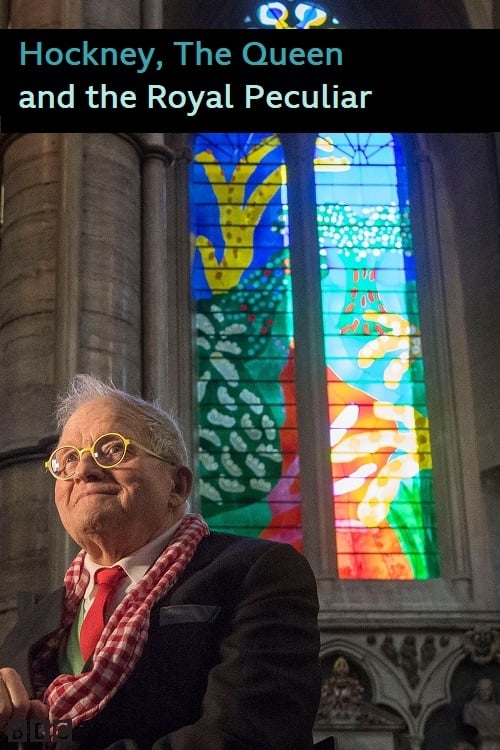
David Hockney undertakes a commission to design and install a stained-glass window in Westminster Abbey to commemorate the sixty-fifth year of Queen Elizabeth II's reign.
2020
2014
2014
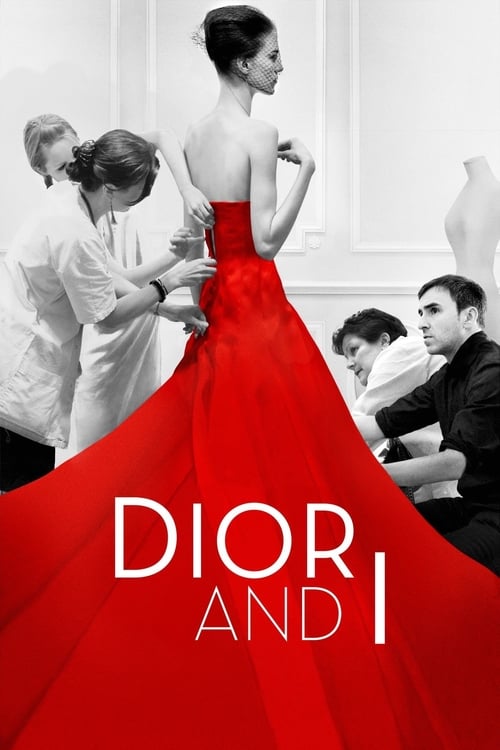
2015
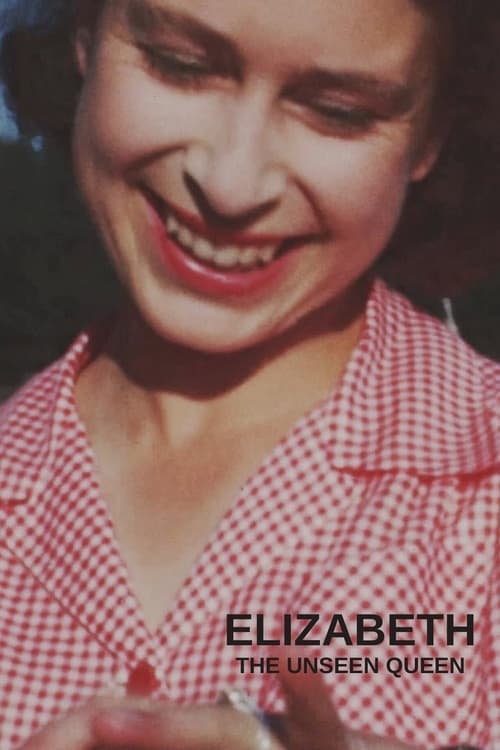
2022
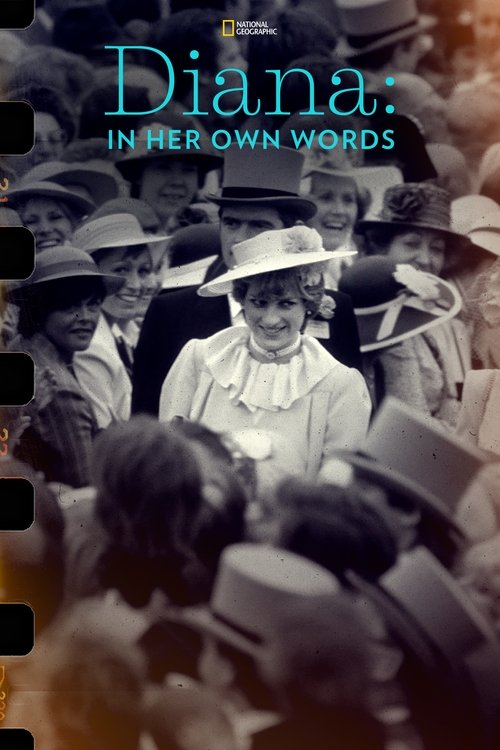
2017

2012
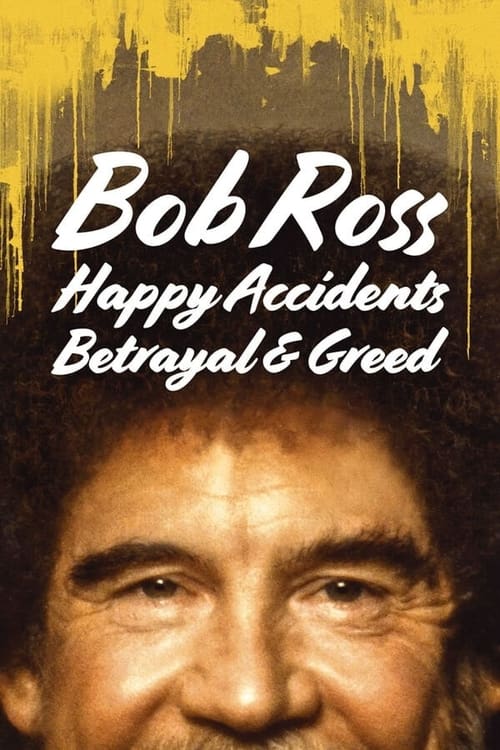
2021
No reviews yet. Be the first to share your thoughts on this movie!
Use the rating form above to leave a star rating and optional review.