
Aan Paavam
1985
No user ratings available yet
Representation score: 3.0 out of 10
Representation Score
Minimal
1993
Not RatedDirector
Rajasenan
Runtime
146 minutes
Average Rating
No ratings yetNew Showbiz Analysis
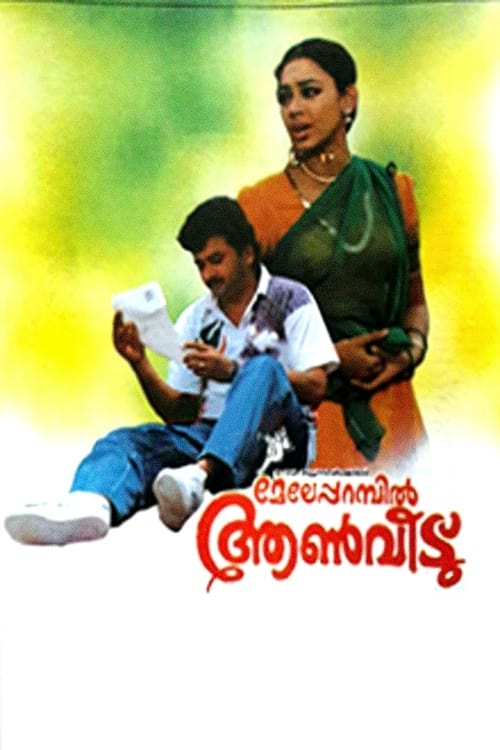
Meleparambil Aanveedu captures the essence of 1990s regional cinema, emphasizing domestic comedy and traditional social order. The narrative leverages established communal hierarchies to generate comedic tension. While it focuses on a homogeneous social group, it does not engage with broader multi-layered or progressive themes. The film maintains a conservative storytelling approach, reinforcing conventional gender roles and social hierarchies.
Category Breakdown
The film does not include any LGBTQ+ characters or explore non-straight relationships. There are no representations of non-straight-centered identities.
Gender roles remain traditional and patriarchal. Female characters have distinct personalities but their influence is limited to the domestic sphere and family life.
The cast primarily represents a specific Malayali community. Including a Tamil female lead adds a touch of intra-regional ethnic diversity.
The story upholds the sanctity of the extended family unit and traditional social hierarchies. It presents a localized cultural perspective without challenging these norms.
The film does not depict any visible or invisible disabilities. Characters are shown within typical physical and neurotypical norms for this genre.
Present on Screen
Limited or Absent
Official Synopsis
A young man marries a Tamil girl, and fearing his family, he brings her to the house as a servant. Problem starts when his elder brothers falls for her too.
1985

2019

1989

2007
2000

1990
1998
2009
No reviews yet. Be the first to share your thoughts on this movie!
Use the rating form above to leave a star rating and optional review.