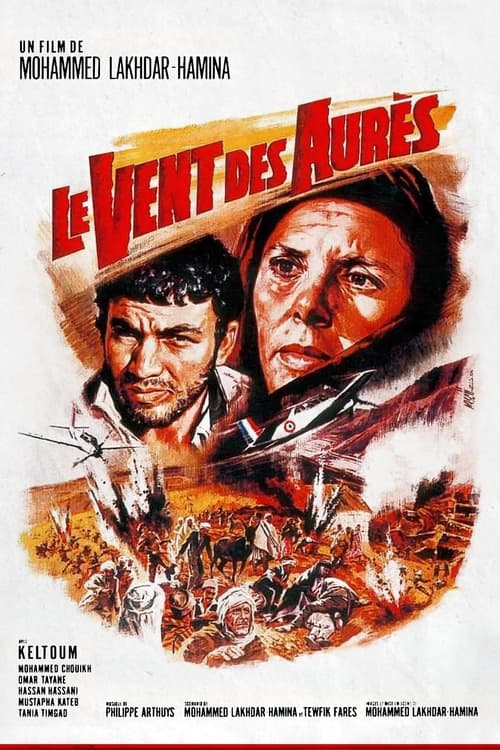
The Winds of the Aures
1967
No user ratings available yet
Representation score: 4.9 out of 10

Representation Score
Good
1972
Director
René Vautier
Runtime
100 minutes
Average Rating
No ratings yetNew Showbiz Analysis
René Vautier’s film is a powerful deconstruction of colonial dominance. By focusing on the Algerian struggle for sovereignty, the narrative shifts the spotlight away from Eurocentric views and onto the ability to act of the indigenous population. The work excels in its portrayal of racial and cultural identity, effectively challenging the 'civilizing mission' myths of the time. It portrays the colonial state as an oppressive force, offering a critical view of imperialist structures. While the film lacks specific representation for LGBTQ+ identities or disability, its subversion of traditional power hierarchies and its focus on gendered ability to act in resistance movements make it a significant piece of activist cinema.
Category Breakdown
The film emphasizes geopolitical and ethnic conflicts rather than LGBTQ+ identities. Although it questions social hierarchies, it does not provide specific character arcs focused on LGBTQ+ experiences.
Women are shown as active participants in the resistance movement rather than passive subjects. This portrayal highlights their role and challenges traditional colonial gender stereotypes.
The narrative centers on Algerian ethnic and national identity. It positions the indigenous population as the main agents of their destiny against an oppressive colonial administration.
The film critiques Western imperialist power and the institutions of colonial rule. It prioritizes the perspective of the colonized over Western institutional stability.
There are no prominent depictions of visible or invisible disabilities that serve as central narrative drivers in this work.
Present on Screen
Limited or Absent
Official Synopsis
A group of refractory and pacifist Bretons is sent to Algeria. These beings confronted with the horrors of war gradually become killing machines. One of them did not accept it and deserted, taking with him an FLN prisoner who was to be executed the next day.
1967
2015
1970

2012

2017

2011

2005

2016
No reviews yet. Be the first to share your thoughts on this movie!
Use the rating form above to leave a star rating and optional review.