Phenomena
1965
No user ratings available yet
Representation score: 0.6 out of 10
Representation Score
Fair
1979
Director
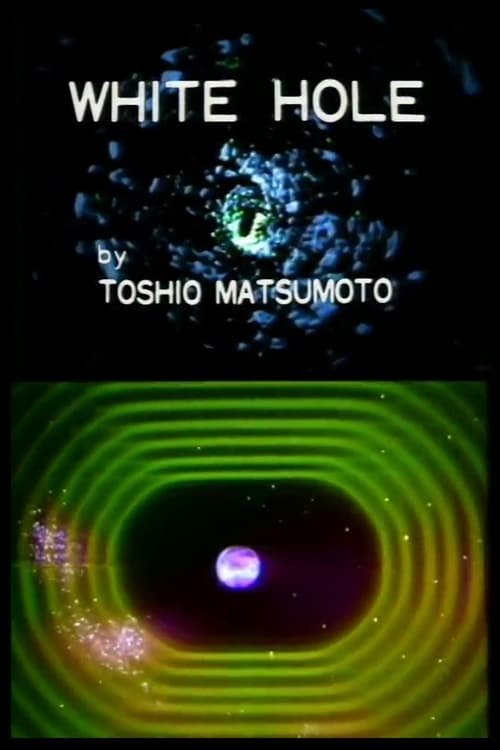
Toshio Matsumoto
Runtime
6 minutes
Average Rating
No ratings yetNew Showbiz Analysis
Toshio Matsumoto’s background in Japanese New Wave cinema provides a structure that challenges mainstream, Western-centric storytelling. The film's psychedelic science fiction genre focuses on existential themes rather than traditional social hierarchies. While the film successfully disrupts the racial hegemony of the era by centering a Japanese directorial vision, specific character-driven diversity remains unverified. Its strength lies in its departure from conventional narrative frameworks and its non-Western perspective on the genre.
Category Breakdown
The film's psychedelic themes hint at exploring fluid identities. However, there are no specific LGBTQ+ characters or romantic pairings shown.
The film's focus on vast existential themes avoids traditional gender hierarchies. Without specific character details, it's unclear if gender roles are challenged or maintained.
As a Japanese New Wave production, the film breaks the Anglo-Saxon dominance typical of 1970s sci-fi. It offers a crucial non-Western viewpoint on cosmic exploration.
The experimental nature of the film suggests a departure from conservative cultural norms. The narrative likely emphasizes subjective, spiritual, or abstract experiences over rigid Western institutional values.
There is no documented evidence regarding the portrayal of physical or neurodivergent disabilities in the available narrative data.
Present on Screen
Limited or Absent
Official Synopsis
A mesmerizing trip through the psychedelic vastness of space.
1965

1963
1969
1968
1975
1969
1970
1957
No reviews yet. Be the first to share your thoughts on this movie!
Use the rating form above to leave a star rating and optional review.