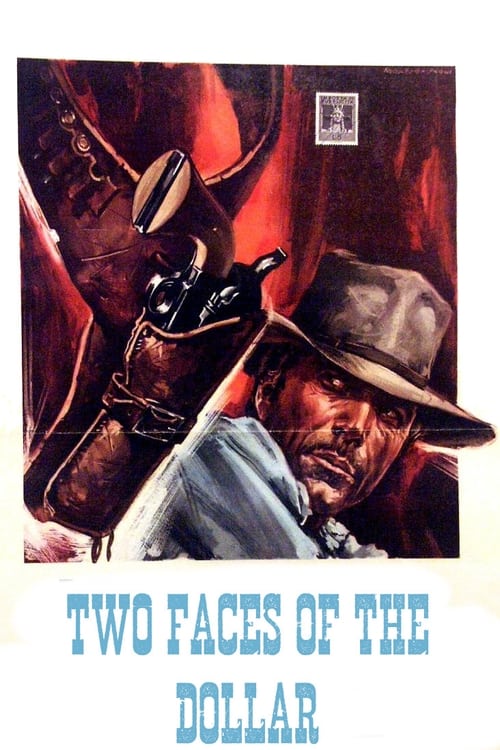
Two Faces of the Dollar
1967
No user ratings available yet
Representation score: 2.1 out of 10
Representation Score
Limited
1969
PGDirector
Don Taylor
Runtime
105 minutes
Average Rating
No ratings yetNew Showbiz Analysis
This Spaghetti Western film centers around masculine archetypes and physical strength. Although it doesn't offer modern perspectives that reflect multiple aspects of identity, it avoids simplistic moral binaries common in its genre. The film's strength lies in its cultural critique. By presenting outlaws as agents of justice against corrupt institutions, it challenges traditional Western morality through an anti-capitalist viewpoint. However, the film is constrained by the conventions of its time. The near-absence of female and LGBTQ+ representation limits the narrative scope to a singular, masculine viewpoint.
Category Breakdown
The film adheres strictly to the assumption that everyone is straight or cisgender. There is no indication of queer subtext or non-cisgender identities.
The story focuses primarily on male characters and masculine interactions. Female characters are given less significant roles and have minimal influence on the plot.
The cast includes a mix of ethnicities typical for the time period. A key Mexican character adds depth to the supporting cast.
The storyline provides a nuanced look at systemic injustice. It portrays outlaws as champions of justice against corrupt, wealthy landowners.
The film does not include any representation of visible or invisible disabilities. Characters are defined by their combat abilities alone.
Present on Screen
Limited or Absent
Official Synopsis
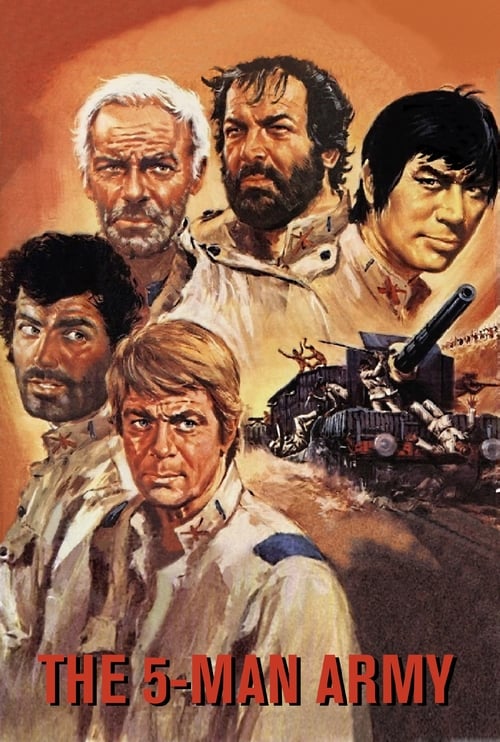
At the behest of local revolutionaries, a mercenary enlists four specialists in various combat styles to help him rob a Mexican Army train carrying $500,000 in gold.
1967
1969
1967

1967
1970
1967
1972
1973
No reviews yet. Be the first to share your thoughts on this movie!
Use the rating form above to leave a star rating and optional review.