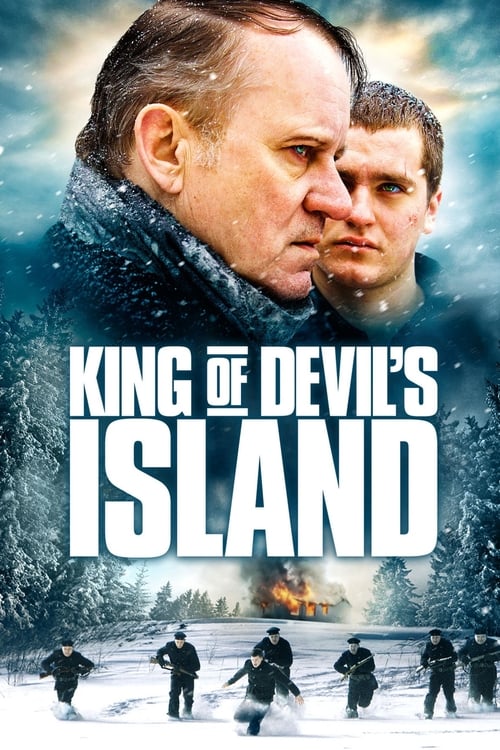
King of Devil's Island
2010
No user ratings available yet
Representation score: 4.3 out of 10

Representation Score
Good
1982
Director
Dimis Dadiras
Runtime
100 minutes
Average Rating
No ratings yetNew Showbiz Analysis
Fylakes anilikon is a gritty social realist drama that prioritizes class conflict over identity-based representation. It effectively critiques systemic corruption, using the struggles of impoverished youth to challenge state and religious authority. However, the film's narrow focus on male-dominated delinquency limits its scope. The lack of women's ability to drive the story and queer visibility keeps the diversity profile relatively low despite its strong social commentary. Ultimately, the film's strength lies in its deconstruction of power structures rather than its inclusivity of diverse demographic groups.
Category Breakdown
The film does not include explicit representations of queer identities or non-straight characters. The narrative focuses on class struggle and the lives of troubled youth.
The story emphasizes a male-centric viewpoint centered around teenage boys and a cruel warden. Women are portrayed as peripheral subjects rather than active agents in the narrative.
The film centers on socioeconomic disparities within a Greek context. While it does not explicitly show ethnic diversity, it highlights the struggles of the lower class.
The film offers a critical view of institutional absolutism. By depicting a warden who claims to be 'God,' it challenges both religious and state authority.
Physical trauma and torture are used as plot devices to highlight systemic cruelty. There is no exploration of neurodivergence or chronic conditions.
Present on Screen
Limited or Absent
Official Synopsis
A bunch of restless teenagers are constantly trying to find ways to break free from poverty. All day they hang around discos and cafeterias and talking about motorcycles, women, society, etc. Only a few of them have jobs while some others are students. One day they decide to rob a wealthy man since this seems to be their last chance to get their hands on a decent amount of cash. Everything goes fine until they come across another bunch of punks and start fightibg in the streets. All of them get busted and that's when the nightmare starts... They are taken to the prison of Korydalos where they are constantly beaten and tortured by a sadistic warden who calls himself "God" (played by the ultimate god, Nikos Tsachiridis who seems to enjoy this kind of role...). The film goes on showing the filth that they face.
2010
1980

1983

1979

1974

1983
1975
1979
No reviews yet. Be the first to share your thoughts on this movie!
Use the rating form above to leave a star rating and optional review.