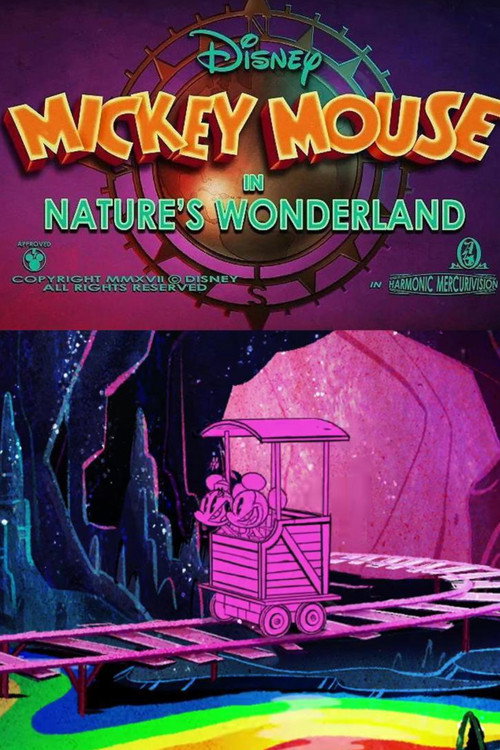
Nature's Wonderland
2017
No user ratings available yet
Representation score: 1.3 out of 10
Representation Score
Fair
2019
TV-GDirector
Paul Rudish, Eddie Trigueros
Runtime
5 minutes
Average Rating
No ratings yetNew Showbiz Analysis
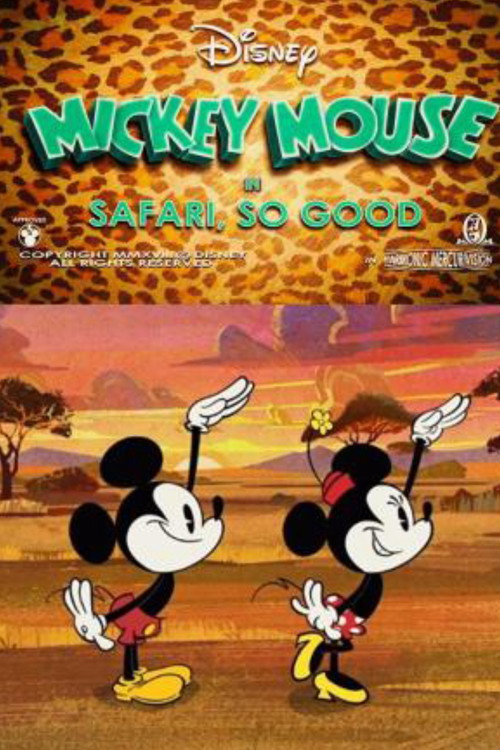
Safari, So Good uses well-known characters to explore a journey through an East African landscape. Moving from a structured tour to a scenic walk provides a slight departure from typical Western-centric settings. While the setting in Arusha introduces cultural variety, the narrative lacks depth regarding identity politics or the subversion of traditional hierarchies. The representation remains centered on established, conventional character dynamics. Overall, the film offers a moderate experience. It provides a baseline of romantic stability and geographical variety but lacks specific evidence of progressive representation or diverse supporting casts.
Category Breakdown
The film focuses on the iconic couple Mickey and Minnie. Their relationship is stable, but there is no clear indication of queer-coded subtext or non-cisgender identities.
Mickey and Minnie embark on a collaborative journey after missing their bus. However, the story does not clearly show whether it challenges or reinforces traditional gender roles.
Setting the story in Arusha, Tanzania, introduces an East African context. This move away from Western-centric settings offers potential for a more diverse cultural representation.
The transition from a commercialized tour bus to an unstructured walking trip indicates a shift in how characters interact with systemic structures. However, specific cultural critiques are not present.
There is no information about characters with visible or invisible disabilities in this short.
Present on Screen
Limited or Absent
Official Synopsis
When Mickey and Minnie miss the safari tour bus, they decide to take the walking scenic trip back to Arusha.
2017
2018

2017

2015
1997
2017
No reviews yet. Be the first to share your thoughts on this movie!
Use the rating form above to leave a star rating and optional review.