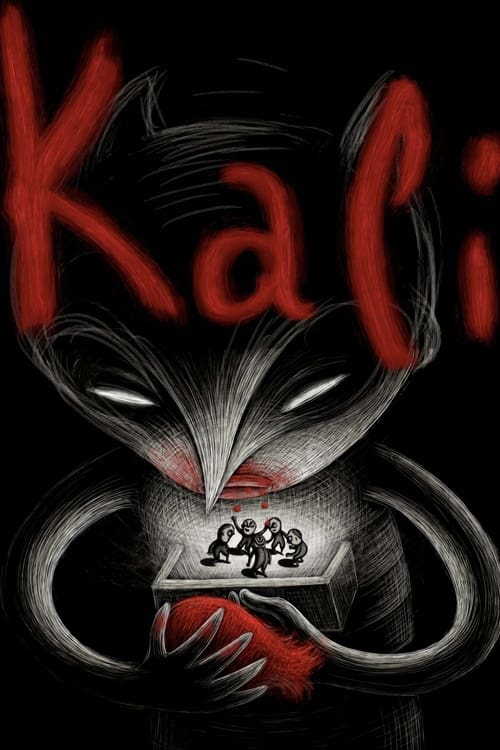
Kali, the Little Vampire
2012
No user ratings available yet
Representation score: 7.4 out of 10
Representation Score
Minimal
2013
PGDirector
Leo Lee
Runtime
80 minutes
Average Rating
No ratings yetNew Showbiz Analysis
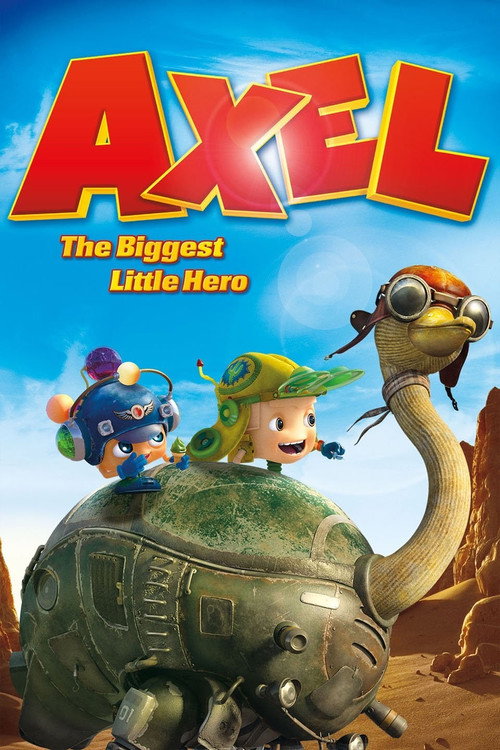
Axel: The Biggest Little Hero opens with a whimsical, colorful landscape where small creatures live in harmony, establishing a low-stakes world where size determines social standing. The film’s argument is straightforward: courage and self-belief outweigh brute strength, as Axel, the tiny protagonist, saves his starving tribe from the Lizard King. The pictures like Axel, treating his determination as the moral center, while the larger creatures are depicted as either benevolent helpers or comically inept. The Lizard King is the joke, a frantic antagonist defeated by cleverness rather than force. The ending rewards Axel’s heroism, affirming traditional meritocratic values where the "little" hero is the true savior. The film’s internal logic is consistent, with no contradictions between its stated message and its visual execution. It is a simple, positive fable for young children, where the moral arithmetic is clear: size does not determine worth. The last image settles on Axel’s triumph, a warm affirmation of community and individual spirit.
Category Breakdown
No queer themes appear. Relationships stay strictly platonic or heteronormative. The narrative relies on standard adventure tropes without depicting same-sex intimacy or non-binary identity.
Axel is the sole competent protagonist. Female characters like Boca function as supportive sidekicks rather than moral centers. The film reinforces traditional dynamics where the male hero resolves conflict while women assist.
Human racial diversity is inapplicable. The cast consists entirely of anthropomorphic animal characters. No human actors or ethnic stereotypes are depicted on screen.
The story treats the nuclear family and tribal community as unmarked sources of stability. It affirms traditional hierarchies of size and strength as natural without challenging established social structures.
No characters possess physical, sensory, or cognitive impairments. The focus on body size is a narrative device for adventure, not a representation of disability or medical conditions.
Present on Screen
Limited or Absent
Official Synopsis
A young boy becomes an unlikely hero when he sets out on an adventure-filled quest to find the legendary Bonta oasis.
2012
2013
2015
2016
2010
2015
2011
2017
No reviews yet. Be the first to share your thoughts on this movie!
Use the rating form above to leave a star rating and optional review.