
Take Your Pills
2018
No user ratings available yet
Representation score: 7.5 out of 10
Representation Score
Fair
2008
PG-13Director
Chris Bell
Runtime
105 minutes
Average Rating
No ratings yetNew Showbiz Analysis
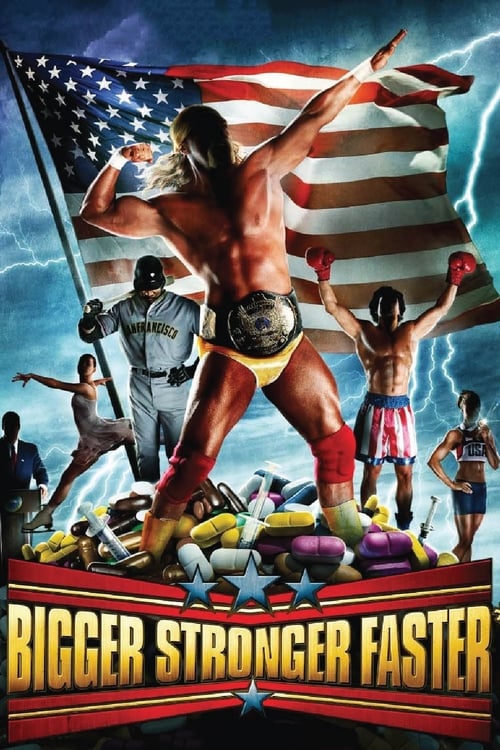
Bigger Stronger Faster* is a powerful study of individual identity clashing with institutionalized norms. It excels at deconstructing the psychological toll of hyper-masculinity and the pressures of religious and cultural conformity. By centering a queer perspective within a restrictive social framework, the film effectively challenges traditional hierarchies. However, the film's social commentary is narrow in scope. The focus on a specific Southern subculture results in a lack of racial and ethnic diversity, limiting the narrative's reach beyond a homogeneous setting. Ultimately, the film is a significant work of subversion. It trades broad demographic representation for a deep, nuanced interrogation of how traditional power structures shape personal identity.
Category Breakdown
The film centers on a queer protagonist navigating a straight-centered environment. It uses this journey to critique systemic pressures of conformity and the tension between personal truth and communal expectations.
The narrative offers a sophisticated critique of traditional Southern masculinity. It portrays the performance of hyper-masculinity and steroid use as a source of profound psychological conflict rather than a social ideal.
The story focuses on a specific demographic within the American South. It prioritizes class and subculture over racial diversity, remaining centered on a relatively homogeneous social setting.
The film critiques the intersection of conservative religious authority and the American pursuit of achievement. It frames these institutions as mechanisms of control that demand strict conformity.
There is no explicit evidence of characters with visible or invisible disabilities serving as central narrative drivers or being subjected to mockery.
Present on Screen
Limited or Absent
Official Synopsis
In America, we define ourselves in the superlative: we are the biggest, strongest, fastest country in the world. Is it any wonder that so many of our heroes are on performance enhancing drugs? Director Christopher Bell explores America's win-at-all-cost culture by examining how his two brothers became members of the steroid-subculture in an effort to realize their American dream.
2018
2013

2017

2013

2004
2010

2019
2019
No reviews yet. Be the first to share your thoughts on this movie!
Use the rating form above to leave a star rating and optional review.