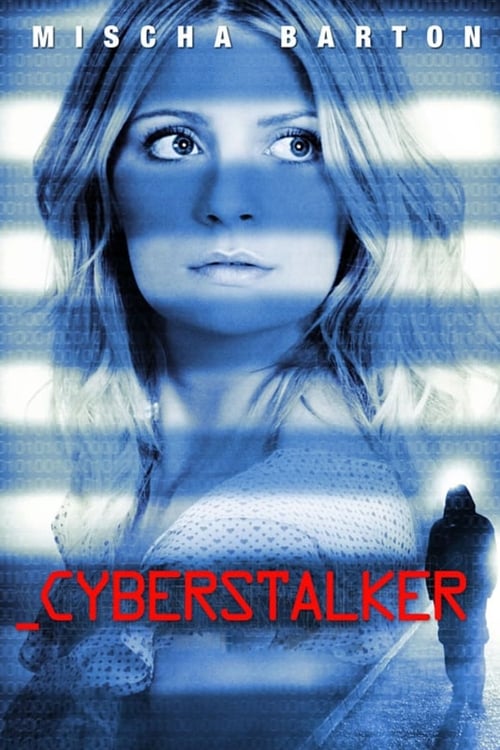
Cyberstalker
2012
No user ratings available yet
Representation score: 3.8 out of 10

Representation Score
Limited
1996
Director
Fred Gerber
Runtime
92 minutes
Average Rating
No ratings yetNew Showbiz Analysis
Closer and Closer is a mid-90s television thriller that prioritizes genre-standard suspense over social critique. While it features a professional female lead and a character with a physical disability, it remains firmly rooted in the clichés of its era. The film's strengths lie in the protagonist's significant professional role and the exploration of how digital connectivity aids a person with physical limitations. However, these elements are often secondary to the central tension of a woman being hunted by a male antagonist. Ultimately, the production lacks depth in representing diverse backgrounds and perspectives, offering a homogeneous cast and narrative that does not challenge traditional social hierarchies or provide meaningful representation for underrepresented groups.
Category Breakdown
The film does not include any LGBTQ+ characters or narratives focused on non-assuming gender matches what was assigned at birth identities. It centers on a psychological thriller involving a victim and an antagonist.
Kate Sanders is a professional female lead with significant influence as a bestselling author. However, the plot revolves around the 'woman in peril' cliché, emphasizing her survival against male-driven violence.
There is no indication of a diverse cast or perspectives outside Anglo-Saxon backgrounds. The narrative follows the homogeneous casting patterns typical of 1990s domestic thrillers.
The film explores themes of isolation and fame but lacks commentary on systemic oppression or religious structures. The early internet serves as a plot device rather than a tool for social critique.
The protagonist is shown as physically disabled after a traumatic event. Her use of digital connectivity to navigate the world provides a nuanced look at physical limitations.
Present on Screen
Limited or Absent
Official Synopsis
Three years after author Kate Sanders penned a best selling novel about a serial killer, she has become the victim of a twisted tale of art imitating life -- left crippled after fleeing a deadly and psychotic reader, she lives in isolation, connected to the world only through the Internet. But with the release of her sequel, the nightmare begins again...
2012
2003
1998
2003
2005

1991
1982
2001
No reviews yet. Be the first to share your thoughts on this movie!
Use the rating form above to leave a star rating and optional review.