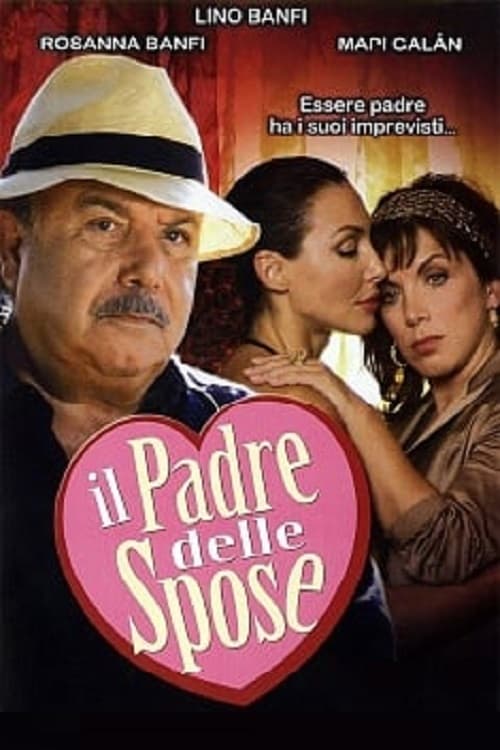
Il padre delle spose
2006
No user ratings available yet
Representation score: 5.7 out of 10

Representation Score
Good
2002
Director
Bodo Fürneisen
Runtime
88 minutes
Average Rating
No ratings yetNew Showbiz Analysis
Vittorio - Momente des Glücks is a psychological drama that deconstructs the ideal European family. It avoids celebratory depictions of Western domesticity, opting instead for a destabilizing look at individual obsession. The film earns points for its willingness to portray the breakdown of traditional maternal and marital roles. However, it lacks depth in terms of racial and LGBTQ+ representation. Ultimately, the work prioritizes psychological realism over social diversity, focusing on the failure of traditional support systems and the fracturing of the nuclear family unit.
Category Breakdown
The film focuses on heterosexual relationships and marriage. There are no LGBTQ+ characters or non-binary gender identities in the story.
The story centers on Bea's psychological autonomy and instability. It disrupts traditional gender hierarchies by showing her rejection of professional identity and her struggle for control.
The cast and setting are primarily Italian, focusing on a specific European context. The narrative maintains a relatively homogeneous ethnic profile without significant racial diversity.
The film challenges the sanctity of the nuclear family and religious milestones. It depicts traditional domestic expectations as sources of psychological distress and dysfunction.
The narrative touches on reproductive health and the trauma of miscarriage. These elements serve as plot catalysts rather than providing real control to characters with disabilities.
Present on Screen
Limited or Absent
Official Synopsis
Alessandro Rossi, an Italia air force officer in diplomatic service, is happy with his wife, pilot Bea Rossi, who had a miscarriage and gets obsessed with her child wish when pregnant again of a boy to be christened Vittorio 'winner'. Bea resigns her job and moves in with his caring rural Italian family -mamma Teresa, papa Giuseppe and Bruder Giorgio- while his job keeps him mostly abroad. Bea's domineering mother Martha, who feels deserted, calls her to Berlin gravely ill, but dies before Bea arrives by train. Clearing out the home, where Bea's first love Moritz Wiesner, who cared fro Martha for her sake, rekindles (un-)happy youth memories. Alessandro can't get Bea to leave Berlin, where after unselfishly saving a child in danger she has another miscarriage, but hides it from Alessandro, whom she somehow blames, and resolves not to return without helping herself to a child, in a deranged way, but gets found out
2006

1989
1999

2008
1999

2010

1993

1999
No reviews yet. Be the first to share your thoughts on this movie!
Use the rating form above to leave a star rating and optional review.