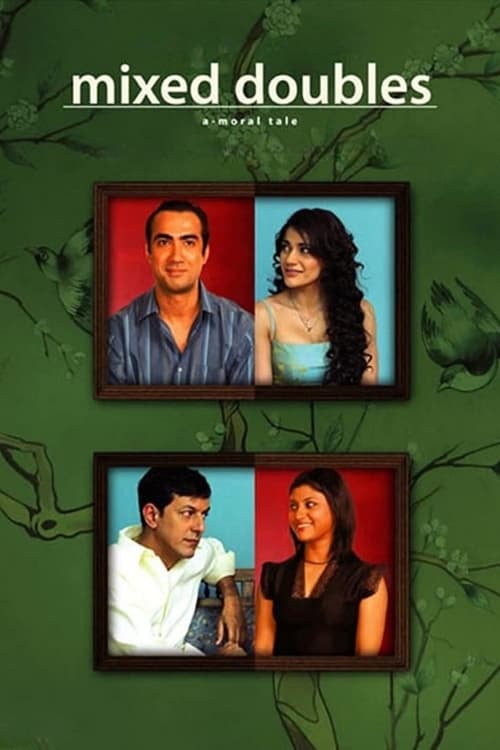
Mixed Doubles
2006
No user ratings available yet
Representation score: 5.9 out of 10

Representation Score
Fair
2025
Director
Advait Chandan
Runtime
137 minutes
Average Rating
No ratings yetNew Showbiz Analysis
Loveyapa is a modern romantic comedy that uses a digital-age conceit to explore interpersonal trust. It deconstructs traditional family hierarchies, particularly through the friction between parental authority and the autonomy of the younger generation. While the film offers a progressive look at gender autonomy and contemporary Indian urban life, it remains confined to a conventional straight-centered framework. The absence of LGBTQ+ representation and disability inclusion limits its broader social scope. Ultimately, the film's strength lies in its situational ethics, moving away from traditional moral absolutes to examine how digital footprints shape modern identity and relationships.
Category Breakdown
The story focuses on a relationship between Baani and Gaurav that assumes both are straight. There is no direct mention of LGBTQ+ identities or critiques of the assumption that everyone is straight or cisgender.
The film challenges traditional gender roles by showing the female lead, Baani, as a complex and autonomous character through a phone swap mechanism.
The film reflects modern, urban Indian identities rooted in South Asian culture. Ethnicity is not the main driver of conflict.
The narrative critiques traditional patriarchal authority through the skeptical father figure, Atul. It examines the tension between family traditions and modern individualistic values in a digital age.
There is no evidence of characters with visible or invisible disabilities in the film.
Present on Screen
Limited or Absent
Official Synopsis
The madness after a couple exchanges their mobile phones and begins to unearth bitter truth about each other.
2006
2015
2014

2003

2017
2024

2011

2016
No reviews yet. Be the first to share your thoughts on this movie!
Use the rating form above to leave a star rating and optional review.