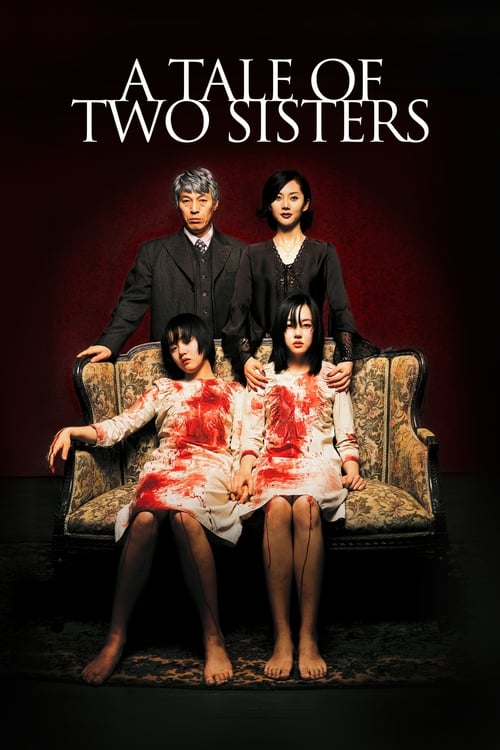
A Tale of Two Sisters
2003
No user ratings available yet
Representation score: 6.9 out of 10

Representation Score
Fair
2001
RDirector
Yoon Jong-chan
Runtime
112 minutes
Average Rating
No ratings yetNew Showbiz Analysis
Sorum is a sophisticated horror film that uses the supernatural to explore the psychological trauma of colonial occupation. It shifts the focus from individual terror to the collective trauma of a nation, making it a vital study of history and identity. The film's primary strength lies in its ethnic and cultural ability to act. By centering a underrepresented population against an oppressive imperial power, it effectively uses the horror genre to critique systemic occupation and the erosion of cultural sovereignty. However, the film remains limited by its adherence to traditional gender roles and a lack of representation for LGBTQ+ identities or specific disability-centric narratives. It functions more as a historical critique than a modern exploration of diverse identities.
Category Breakdown
The film does not include explicit LGBTQ+ narratives. Instead, it explores interpersonal and historical tensions within the era's social context.
Female characters navigate complex emotional landscapes but often operate within traditional supportive roles. The film reflects mid-20th-century social hierarchies without challenging them.
The narrative centers the Korean experience against colonial occupation. It provides high ability to act to a non-dominant ethnic cast fighting to maintain cultural essence.
The film critiques imperialist structures through a post-colonial lens. It frames the struggle for independence as a necessary reclamation of selfhood.
Psychological trauma serves as a metaphor for historical grief rather than a depiction of disability. Characters with disabilities lack ability to act outside of atmospheric dread.
Present on Screen
Limited or Absent
Official Synopsis
A young man moves into a run-down apartment building and soon gets into a relationship with a neighbor. Both the characters and the building have traumatic histories, and over time the ghosts of their past come to light.
2003
1999
2021
1983
2011
2009
2021

2010
No reviews yet. Be the first to share your thoughts on this movie!
Use the rating form above to leave a star rating and optional review.