Sardaar Gabbar Singh
2016
No user ratings available yet
Representation score: 3.1 out of 10
Representation Score
Limited
2012
PGDirector
Rohit Shetty
Runtime
155 minutes
Average Rating
No ratings yetNew Showbiz Analysis
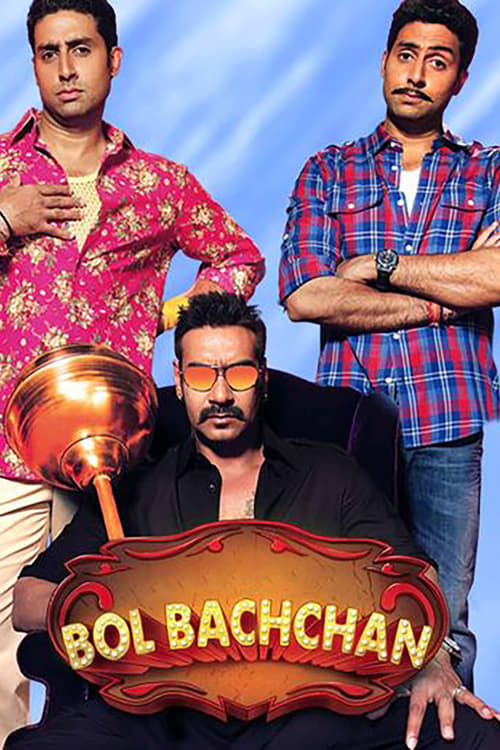
Bol Bachchan is a typical commercial masala film that prioritizes mass-market appeal over progressive storytelling. The narrative relies on traditional archetypes, focusing on male-driven action and heterosexual romance. While the film offers culturally consistent representation for its intended audience, it fails to engage with underrepresented identities. It reinforces conventional social hierarchies rather than challenging them. Ultimately, the film's adherence to established genre conventions results in a limited scope of representation, favoring escapism and traditional gender roles over nuanced character development.
Category Breakdown
The film strictly follows traditional heterosexual relationships, focusing on male and female characters without any representation of LGBTQ+ identities or non-cisgender identities.
Male characters dominate the narrative, driving the plot through actions and deception. Female characters mainly serve as objects of affection or catalysts for male-driven plots.
The cast is ethnically uniform, reflecting the local Indian population. While it avoids whitewashing, it does not use diverse casting to challenge ethnic boundaries.
The story upholds traditional social structures and family-centric motivations, prioritizing comedic escapism and established hierarchies over critical examination of institutions.
There is no depiction of physical or neurodivergent disabilities. The film centers on able-bodied protagonists and does not address the complexities of disability.
Present on Screen
Limited or Absent
Official Synopsis
Abbas Ali lives in Chandni Chowk, New Delhi with his sister Sania. They are legally fighting for an ancestral property— land case. But the odds turn against them and they lose. Their well wisher, Shastri Chacha, advises and convinces them to migrate to his village Ranakpur where he assures Abbas that he will get him a job at his owner's place. The owner being none other than the powerful Prithviraj Raghuvanshi . Abbas enters Ranakpur village and while saving a child trapped inside a temple, he breaks open the lock of an ancestral temple but fate plays an important twist in Abbas' life as the whole village including Prithviraj's step-brother Vikrant opposes Abbas' actions but Prithviraj arrives and handles the situation.
2016
2006
2010

2011

2015
2013
2015

2007
No reviews yet. Be the first to share your thoughts on this movie!
Use the rating form above to leave a star rating and optional review.