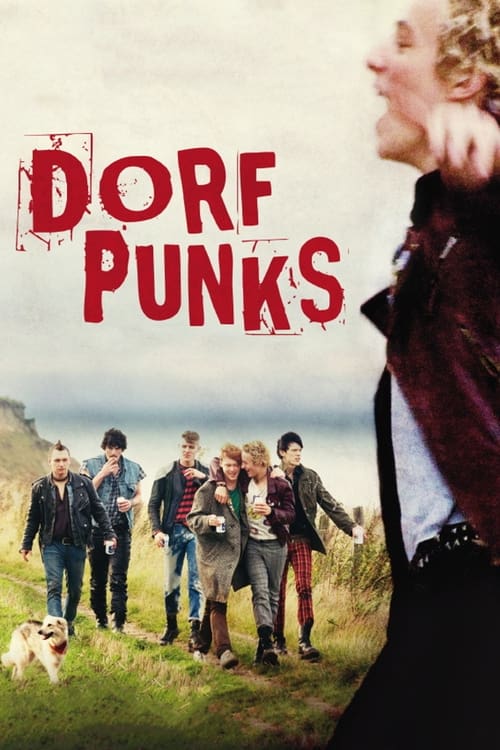
Dorfpunks
2009
No user ratings available yet
Representation score: 4.7 out of 10
Representation Score
Fair
1990
Director
Yuri Mamin
Runtime
94 minutes
Average Rating
No ratings yetNew Showbiz Analysis
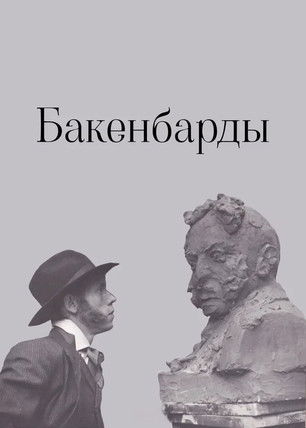
Sideburns is a dark satire of the late Perestroika era, prioritizing a critique of systemic power over demographic variety. It succeeds as a cultural study, using postmodern relativism to dismantle the concept of institutional stability and patriotism. However, the film remains largely homogeneous and male-centric. The focus on masculine struggles for order and the absence of diverse racial or sexual identities limits its demographic breadth. Ultimately, the film's strength lies in its intellectual deconstruction of a collapsing society rather than its representation of varied human identities.
Category Breakdown
The film doesn't include explicit LGBTQ+ narratives or non-cisgender identities. Conflicts between subcultures like punks and bodybuilders focus on lifestyle and beliefs rather than sexual orientation.
The story centers on male-dominated power structures and teenage gang rivalries. It shows the erosion of traditional male authority figures but lacks nuanced women's ability to drive the story.
Set in a provincial Soviet context, the film reflects a homogeneous demographic. The narrative focuses on socio-political and class-based tensions rather than ethnic diversity.
The film excels at deconstructing traditional institutions and patriotism. It critiques failing social codes and the absurdity of organized ideology during a period of systemic collapse.
A protagonist's history with a psychiatric institution serves as a central thread. This portrayal highlights the absurdity of state social control rather than mocking mental health issues.
Present on Screen
Limited or Absent
Official Synopsis
A small provincial town is home to two rival teenage gangs, one devoted to loose living and punk music and the other a collection of narrow-minded bodybuilders obsessed with order and convinced of their own moral rectitude. However, this cosy state of affairs is upset by the arrival of two strangers dressed like Pushkin, the famous early 19th century Russian poet, who proceed to found their own organisation, dedicated ostensibly to the memory of the great writer and the "salvation of Russia". Gradually, they begin to assume control of the town...
2009
1933
2016

1966
2001
1980
1999
2005
No reviews yet. Be the first to share your thoughts on this movie!
Use the rating form above to leave a star rating and optional review.