Waidmannsheil im Spitzenhöschen
1982
No user ratings available yet
Representation score: 2.5 out of 10
Representation Score
Limited
1978
Director
Walter Krüttner
Runtime
84 minutes
Average Rating
No ratings yetNew Showbiz Analysis
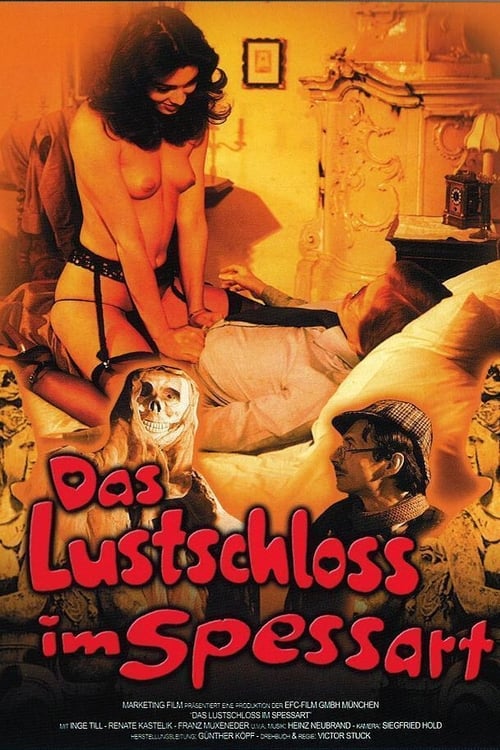
Das Lustschloss im Spessart is a period-specific comedy that emphasizes escapism and physical humor over social complexity. While it offers a slight subversion of gender roles through its assertive landlady, it remains firmly rooted in the demographic and social norms of 1970s regional European cinema. The film lacks depth in representing diverse identities, such as LGBTQ+, racial, or disability perspectives. It functions as a localized fantasy that explores class and desire without challenging broader societal structures.
Category Breakdown
The film centers on traditional romantic relationships between married couples and lovers, focusing on conventional love stories. It does not include any specific representations of LGBTQ+ identities or queer narratives.
The landlady character stands out for her assertiveness and sexual openness, which deviates from typical submissive female roles. However, her portrayal still relies heavily on physical attributes and traditional gender stereotypes.
Set in the German Spessart region, the cast appears demographically uniform, with no indication of multicultural casting or diverse ethnic representation.
The story playfully challenges class hierarchies through the use of ghosts and valets, emphasizing physical pleasure over strict moral or religious conduct within a localized fantasy setting.
The narrative does not provide any information or visible representation of characters with physical, sensory, or neurodivergent disabilities.
Present on Screen
Limited or Absent
Official Synopsis
Geiersberg Castle in Spessart is a popular hotel for married couples and lovers. The buxom landlady isn't averse to anything and even the quirky valet Beppo takes what he can get. It is also interesting to note that the last count and countess, who were summoned to their ancestors at a very young age, still haunt the halls. A special attraction for visitors is the nearby spa station of the shepherd Astloch, whose cures have a very invigorating effect on certain parts of the body. In the Spessart, people not only sing and rob, but also indulge in physical pleasures.
1982

1969

1973

1982
1991

1978

1970
1971
No reviews yet. Be the first to share your thoughts on this movie!
Use the rating form above to leave a star rating and optional review.