Tezz
2012
No user ratings available yet
Diversity score: 2.6 out of 10
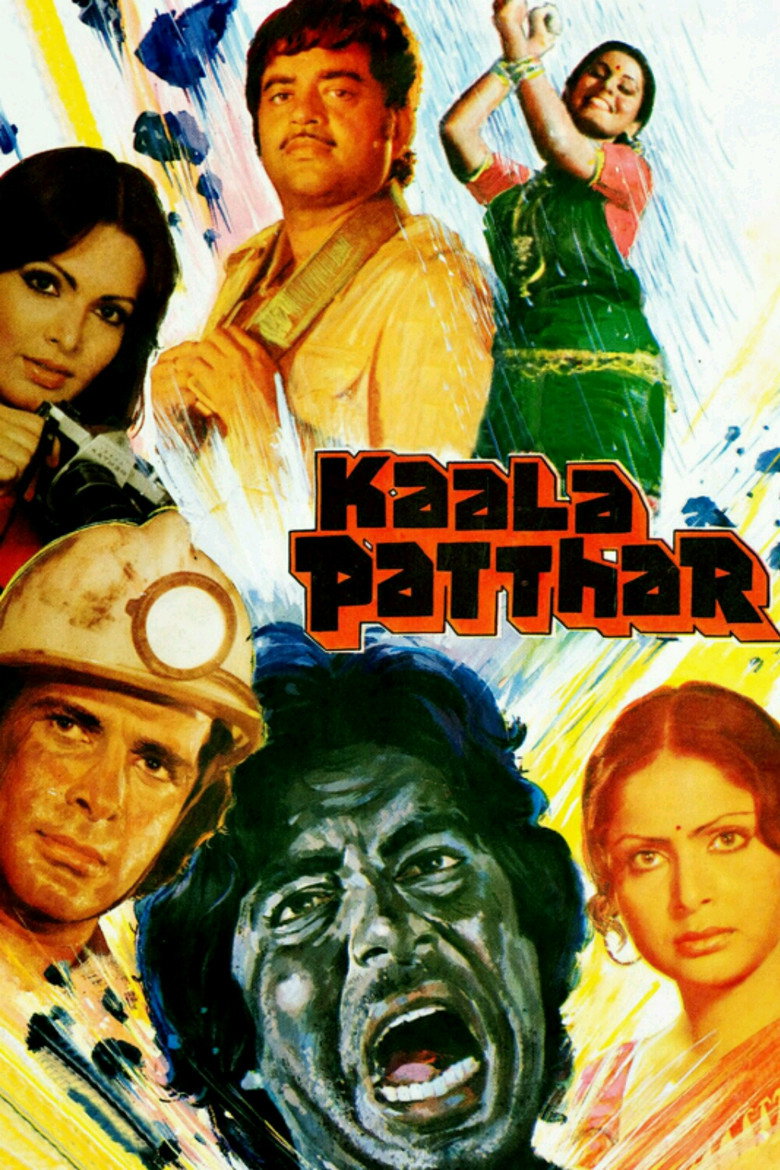
1979
Director
Yash Chopra
Runtime
176 minutes
Average Rating
No ratings yetSynopsis
Branded a coward for abandoning his ship full of 300 passengers, Captain Vijay Pal Singh takes up work in a distant coal mine, poorly equipped, with no sufficient medical supplies or proper facilities. When the miners and their families face a catastrophe, as water has forced its way into one of the mining tunnels, endangering 400 lives, will Vijay be able to rise to the occasion or will he 'abandon ship' again?
Overall Score
Fair
Category Breakdown
LGBTQ+ Representation
The film follows a strictly heteronormative structure. It focuses on traditional masculine bonds and domestic spheres without any queer subtext or non-cisnormative identities.
Gender Representation
The narrative is heavily male-centric, prioritizing the camaraderie of the miners. Female characters serve as emotional anchors rather than driving the plot or exercising significant agency.
Racial & Ethnic Diversity
The cast provides a culturally authentic representation of the Indian working class. It avoids Western-centric casting norms by focusing on a predominantly South Asian ensemble.
Religious & Cultural Diversity
The film offers a sophisticated critique of capitalist structures and labor rights. It centers on the struggle of the proletariat against exploitative mine management and corporate authority.
Disability Representation
Physical vulnerability is used primarily to heighten dramatic tension during survival sequences. Disability is treated as a consequence of environmental hazards rather than a lived identity.
Strengths
Areas for Improvement
AI Analysis
Kaala Patthar is a gritty, socially conscious drama that prioritizes class struggle over individual identity politics. Its primary strength lies in its systemic critique of capitalist exploitation and the empowerment of the working class through collective action. However, the film remains tethered to the social conventions of 1970s Indian cinema. It lacks intersectional depth, particularly regarding gender and LGBTQ+ representation, which limits its progressive reach. Ultimately, the film succeeds as a localized exploration of socioeconomic oppression, even as it maintains traditional hierarchies in its character dynamics.
2012
1994
1989
2002
1978

1975
No reviews yet. Be the first to share your thoughts on this movie!
Use the rating form above to leave a star rating and optional review.