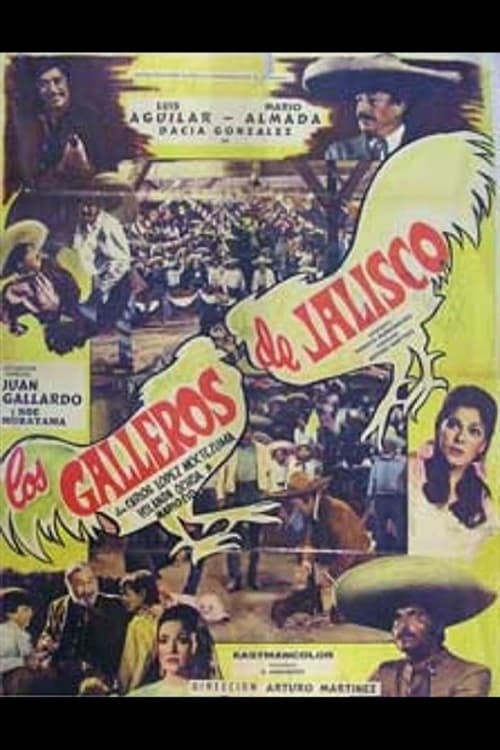
Los Galleros De Jalisco
1974
No user ratings available yet
Representation score: 1.3 out of 10
Representation Score
Minimal
1972
Director
Arturo Martínez
Runtime
100 minutes
Average Rating
No ratings yetNew Showbiz Analysis
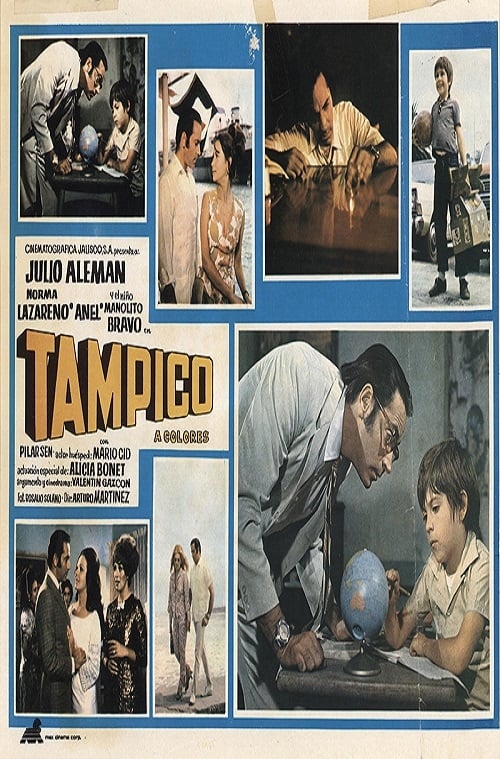
Tampico is a product of the early 1970s Mexican film industry, serving as a typical regional cinematic output. It adheres closely to the social and cinematic norms of its time without attempting to disrupt them. While the film includes a Mexican cast and female leads, these elements reflect standard demographic alignment and traditional gender roles rather than progressive representation. The film lacks the intention to address modern diversity issues. Ultimately, Tampico does not engage with contemporary concepts of diversity, such as LGBTQ+ themes, disability inclusion, or systemic social critique.
Category Breakdown
The film does not include any depiction of same-sex relationships or non-traditional gender identities. It lacks engagement with LGBTQ+ themes.
The film includes female leads like Norma Lazareno and Anel, offering some gender inclusion. However, it likely upholds traditional gender roles and hierarchies.
The cast is predominantly Mexican, aligning with the film's cultural context. It focuses on a specific cultural perspective rather than exploring diverse racial backgrounds.
The narrative operates within traditional moral frameworks of its time. It does not challenge or deconstruct traditional family structures or capitalist systems.
The film does not feature any characters with disabilities, nor does it integrate characters with disabilities into the narrative with significant influence.
Present on Screen
Limited or Absent
1974
1980
1972
1989
No reviews yet. Be the first to share your thoughts on this movie!
Use the rating form above to leave a star rating and optional review.