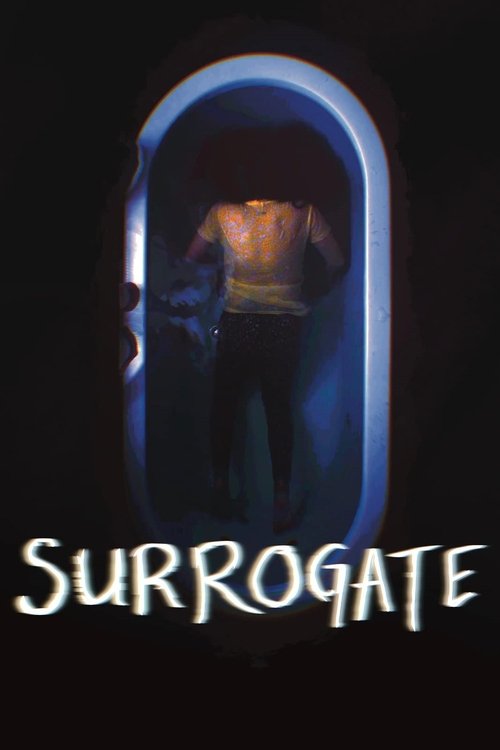
Surrogate
2022
No user ratings available yet
Representation score: 3.9 out of 10

Representation Score
Limited
2024
Director
Asif Akbar
Runtime
98 minutes
Average Rating
No ratings yetNew Showbiz Analysis
Skeletons in the Closet functions as a character-driven horror piece that prioritizes psychological and moral complexity over traditional genre clichés. By centering the narrative on a mother's radical choice, the film moves away from passive victimhood toward a study of extreme ability to act. The film's strength lies in its exploration of situational ethics and the physical realities of illness. It uses supernatural elements to probe the boundaries of morality and the desperation of parental love. However, the film's demographic scope remains unclear. Without specific details regarding the racial, ethnic, or LGBTQ+ identities of the characters, the narrative's ability to represent a broad spectrum of human experience cannot be fully determined.
Category Breakdown
The film does not provide any information about the sexual orientation or gender identity of its characters. There are no non-straight relationships or identities represented.
The story focuses on a female protagonist who takes a leading role through her sacrifice. Her decision to undergo possession challenges the typical stereotype of female passivity.
The narrative does not confirm the racial or ethnic identities of the cast. There is no data available to assess racial or ethnic inclusion.
The plot explores moral relativity by having a protagonist embrace a malevolent force for a greater good. This deconstructs traditional religious archetypes of absolute evil.
A terminally ill child introduces themes of chronic illness and physical vulnerability. The central conflict is driven by the reality of medical fragility.
Present on Screen
Limited or Absent
Official Synopsis
Haunted by a malevolent spirit since childhood, a desperate mother allows herself to become possessed in order to save the life of her terminally ill daughter.
2022
2024

2009

2014

2024

2022
2017
2007
No reviews yet. Be the first to share your thoughts on this movie!
Use the rating form above to leave a star rating and optional review.