
Four Sisters and a Wedding
2013
No user ratings available yet
Diversity score: 5.2 out of 10
2016
Director
Ravi Kapoor
Runtime
95 minutes
Average Rating
No ratings yetSynopsis
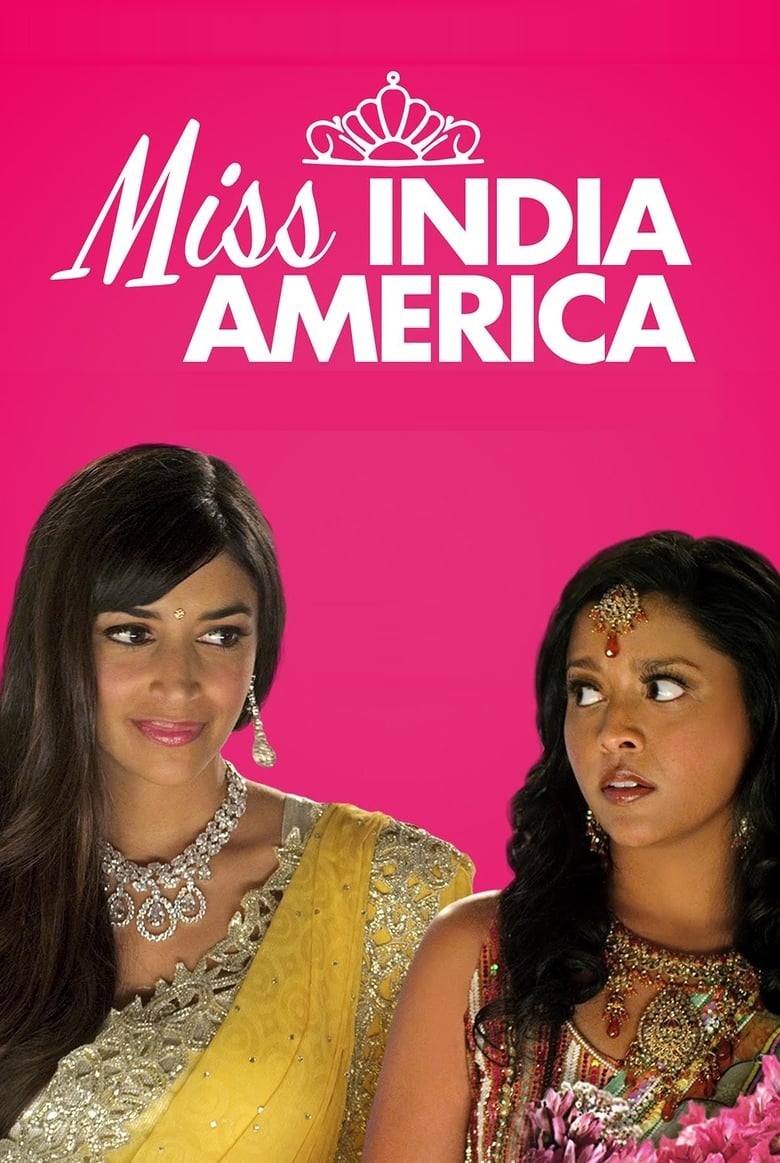
Lily is a winner, but when her boyfriend leaves her for a vapid beauty pageant queen, she gets the notion that winning the Miss India America title would bring him back. Since Lily is perfect in everything else she does, it should be a cinch...or so she thinks. The pageant world isn't just pretty smiles and high heels, and her main competition, Sonia, gives her a run for her money.
Overall Score
Fair
Category Breakdown
LGBTQ+ Representation
The film operates within a strictly heteronormative framework. The protagonist's journey is driven by a romantic loss involving a male partner, with no presence of non-cisnormative identities.
Gender Representation
Lily demonstrates intellectual resilience and ambition within the pageant setting. However, her motivations remain tied to seeking romantic validation, which limits the subversion of traditional gender hierarchies.
Racial & Ethnic Diversity
The production excels by centering the South Asian diaspora in New York City. It provides depth to the immigrant experience by exploring the complexities of maintaining heritage within Western structures.
Religious & Cultural Diversity
The narrative explores the friction between traditional Indian values and Western modernity. It functions as a bridge between these worlds rather than taking a definitive stance against Western capitalism.
Disability Representation
There is no evidence of characters with visible or invisible disabilities serving as central narrative drivers or plot devices.
Strengths
Areas for Improvement
AI Analysis
Miss India America succeeds as a culturally specific romantic comedy that moves beyond mere tokenism. By centering the South Asian diaspora, the film provides a platform for nuanced immigrant storytelling that disrupts mainstream Anglo-centric norms. While the film offers strong ethnic representation, it remains tethered to conventional genre tropes. The reliance on heteronormative romantic arcs and traditional social scripts prevents a more progressive exploration of identity. Ultimately, the film is a study of intersectional identity, balancing the pursuit of individual agency against the pressures of inherited cultural traditions and Western socioeconomic structures.
No reviews yet. Be the first to share your thoughts on this movie!
Use the rating form above to leave a star rating and optional review.