
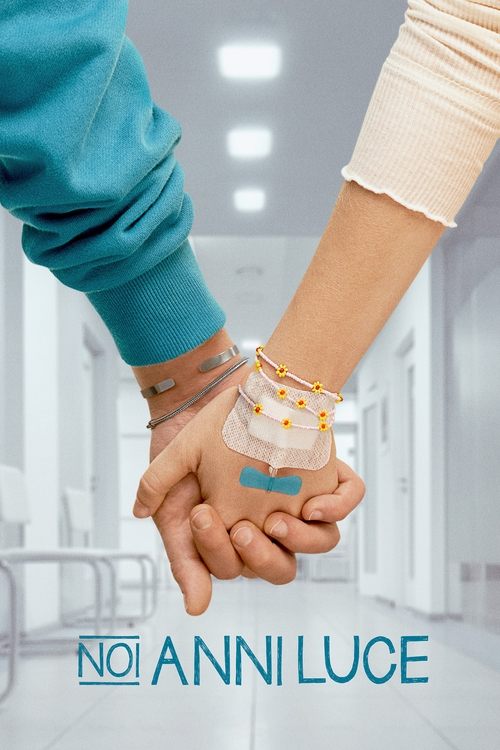
Everything's Gonna Be Alright
2020
No user ratings available yet
Representation score: 6.3 out of 10

Representation Score
Good
2020
Director
Mario Piredda
Runtime
95 minutes
Average Rating
No ratings yetNew Showbiz Analysis
The film is a character-driven drama that challenges traditional patriarchal structures by placing a teenage girl at the center of a medical and familial crisis. This shift in focus moves the narrative away from adult male dominance and towards a young female protagonist. While the film lacks explicit LGBTQ+ representation or detailed racial information, it offers a grounded exploration of systemic failures. The tension between individual health needs and slow-moving institutions provides a strong thematic foundation. Ultimately, the film succeeds as a study of familial breakdown and the fragility of traditional support systems during a medical emergency.
Category Breakdown
The story focuses on traditional family structures where everyone is assumed to be straight. There are no visible LGBTQ+ characters or diverse gender identities.
The film centers around Anita, a teenage girl, who plays a key role in navigating a crisis that the adult men cannot solve. She provides the emotional and strategic direction needed to overcome the challenges.
The setting suggests a rural area near a military base in a Mediterranean region. The film avoids urban settings, but specific details about racial diversity are not provided.
The film highlights systemic issues through its portrayal of a slow, bureaucratic medical system. It also examines how military presence and long-standing family conflicts affect local communities.
Leukemia is central to the plot, moving beyond a mere device to explore the biological realities of chronic illness. The narrative focuses on the vulnerability of the human body.
Present on Screen
Limited or Absent
Official Synopsis
Anita is sixteen and she’s facing a difficult situation: her mother died of leukemia and now Jacopo, her father, is also sick: his need for a bone-marrow transplant is increasingly urgent, but the average waiting period for a donor is many months. Anita isn’t compatible, and neither is Tonino, her grandfather shepherd who lives in the nearby tableland, close to a military base which affect the area since the Sixties. There is uncle Gaetano: being Jacopo’s brother the probability that he is compatible is higher, but Gaetano is a hothead and he and Jacopo haven’t had any relationship at all: an old grudge, which they don’t want to forget, is keeping them apart.
2020

2011
2003
2017

2024

1996
2014
2023
No reviews yet. Be the first to share your thoughts on this movie!
Use the rating form above to leave a star rating and optional review.