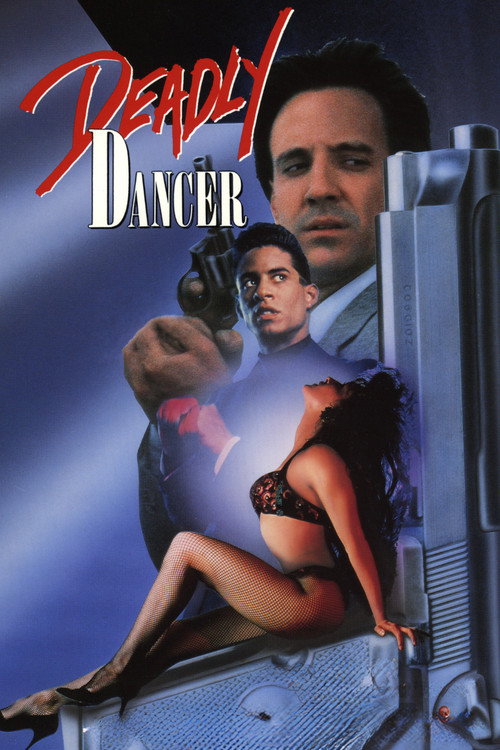
Deadly Dancer
1990
No user ratings available yet
Diversity score: 4.3 out of 10

1992
Director
John Korty
Runtime
182 minutes
Average Rating
No ratings yetSynopsis
Alan Masters is a despicable businessman with his hands in organized crime. He marries Diane, a kind and gentle woman, and abuses and batters her viciously. Sergeant John Reed has had enough of his city's organized crime and, against the wishes of his dirty-cop superiors, tries to get evidence against Alan Masters. After Alan finds out that Diane has been helping Reed, he beats her to death...and its up to John Reed to put him away for it, and clean up the dirty cops that want to stop him. Part I starts with Diane's death and then, in a flashback, details her struggles against abuse and Reed's struggles as he coaches her to gather evidence against Alan. Part II deals with Reed's struggles with intimidating cops.
Overall Score
Limited
Category Breakdown
LGBTQ+ Representation
The film focuses on a traditional heterosexual marriage. There is no evidence of LGBTQ+ characters or narratives addressing non-cisnormative identities.
Gender Representation
Diane moves from a victim of domestic violence to an active participant in gathering evidence. However, the resolution relies heavily on male intervention from Sergeant Reed.
Racial & Ethnic Diversity
The narrative lacks explicit mention of diverse racial identities. It appears to follow a conventional casting structure typical of 1990s crime thrillers.
Religious & Cultural Diversity
The story critiques institutional corruption and the intersection of capitalism and organized crime. It adopts a skeptical view of traditional authority and police hierarchies.
Disability Representation
There is no evidence of characters with physical, neurodivergent, or mental health disabilities within the provided narrative.
Strengths
Areas for Improvement
AI Analysis
Deadly Matrimony serves as a critique of both patriarchal domestic violence and systemic institutional corruption. It succeeds in subverting the passive victim trope by giving the female protagonist agency in the investigative process. However, the film remains limited by its reliance on traditional gender roles for its resolution and a lack of visible racial or LGBTQ+ diversity. The narrative is grounded in a standard justice-seeking framework rather than a radical deconstruction of social structures.
1990

1993
1994

2007

2023
1992

1986

1971
1999

2005

1982
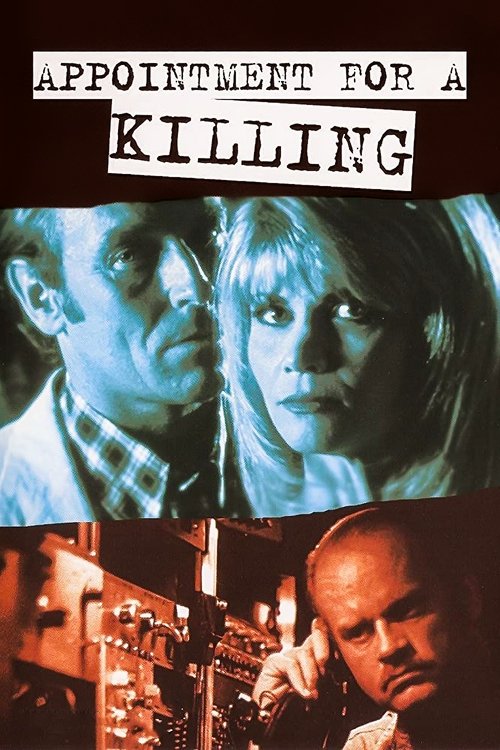
1993
No reviews yet. Be the first to share your thoughts on this movie!
Use the rating form above to leave a star rating and optional review.