
Thondimuthalum Driksakshiyum
2017
No user ratings available yet
Representation score: 5.4 out of 10
Representation Score
Fair
2006
Not RatedDirector
Milan Luthria
Runtime
116 minutes
Average Rating
No ratings yetNew Showbiz Analysis
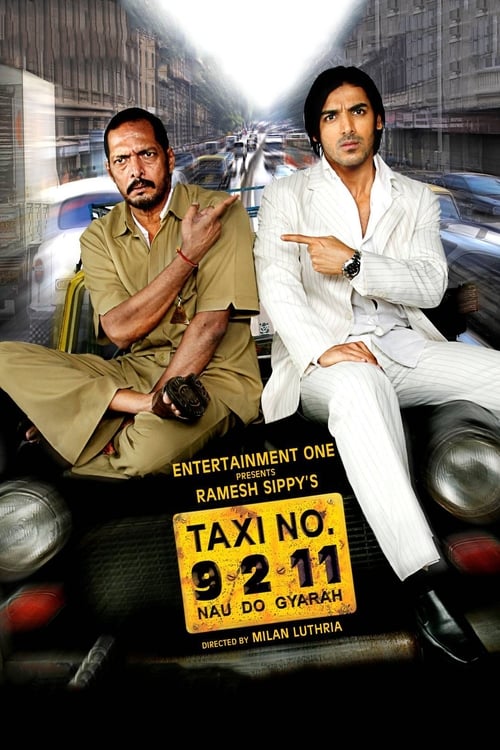
Taxi No. 9211 is a character-driven film that explores class conflict in Mumbai. Though it lacks diversity in terms of gender and LGBTQ+ identities, it excels in its socio-political commentary. The film uses Mumbai’s urban landscape to highlight the divide between the working class and the elite. The narrative's strength lies in its deconstruction of institutional integrity. By showing the protagonist's actions as a response to systemic oppression, the film moves beyond simple crime clichés into social realism. However, the film remains heavily male-centric. The lack of representation for underrepresented identities and disabilities limits its overall diversity score despite its sophisticated themes.
Category Breakdown
The film does not include any LGBTQ+ characters or explore non-straight relationships. The story centers on the interactions between the male characters.
Gender roles are traditional, with male characters taking the lead and female characters having less influence. Women are often in supporting or domestic roles.
The film showcases Mumbai's diverse cultural and ethnic mix. It uses the city's varied demographics to highlight social tensions.
The story critiques capitalist systems and power structures. It portrays the wealthy elite as morally compromised within a rigged system.
The film does not focus on characters with visible or invisible disabilities. Characters are defined more by their socioeconomic status and urban skills.
Present on Screen
Limited or Absent
Official Synopsis
A taxi driver and a businessman create havoc in each other's lives after a chance meeting.
2017
2004
2013

2009

2015

2005
2010

2015
No reviews yet. Be the first to share your thoughts on this movie!
Use the rating form above to leave a star rating and optional review.