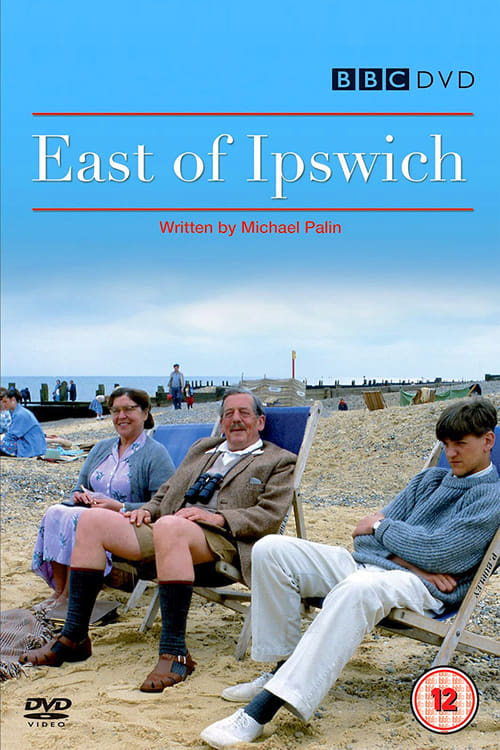
East of Ipswich
1987
No user ratings available yet
Representation score: 3.2 out of 10

Representation Score
Limited
1977
Director
Pedr James
Runtime
70 minutes
Average Rating
No ratings yetNew Showbiz Analysis
The film is a product of British Social Realism, focusing on a systemic critique of class over modern demographic diversity. While it lacks representation for LGBTQ+ and racial diversity, it successfully challenges traditional social hierarchies. Its strength lies in how it deconstructs the fairness of educational and class systems. By portraying children's behavior as a response to their environment, the film questions traditional authority and institutional norms. Ultimately, the work is a study of regional working-class conflicts, trading broad demographic variety for a deep exploration of socioeconomic issues.
Category Breakdown
The film does not include any visible LGBTQ+ characters or representations of non-straight identities. The story focuses on heterosexual, working-class dynamics.
Mrs. Rae challenges traditional female stereotypes by serving as a strict, disciplinary authority figure. She provides institutional control rather than a nurturing or domestic role.
The cast is primarily white and uniform, reflecting the 1970s Northern English setting. The film does not explore ethnic diversity or racial blending.
The story offers a nuanced look at class and institutional structures. It portrays youth rebellion as a result of socioeconomic conditions rather than inherent bad intentions.
There are no prominent depictions of physical, sensory, or neurodivergent disabilities. Characters are defined by their socioeconomic status rather than by any disabilities.
Present on Screen
Limited or Absent
Official Synopsis
When a teacher takes a group of troubled school children on a school trip to Conwy in Wales, the children understand life outside of Liverpool.
1987

1977

1994

2010
1987
2016

1994

1987
No reviews yet. Be the first to share your thoughts on this movie!
Use the rating form above to leave a star rating and optional review.