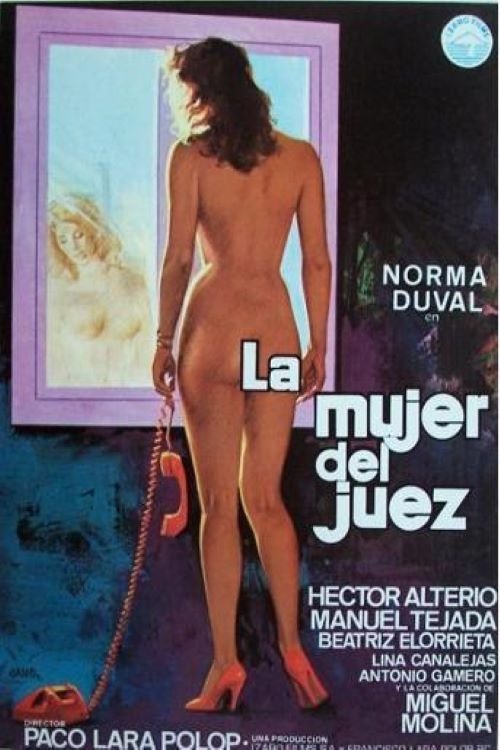
The Judge's Wife
1984
No user ratings available yet
Diversity score: 3.0 out of 10

1986
Director
Viacheslav Kryshtofovych
Runtime
90 minutes
Average Rating
No ratings yetSynopsis
Klava, a lonely woman who is bored with her life, posts an advertisement seeking a male companion. Valentin, a retired circus performer, responds to her message and the two enter a dubious relationship.
Overall Score
Limited
Category Breakdown
LGBTQ+ Representation
The film follows a traditional heterosexual romantic pursuit between a man and a woman. No queer narratives or non-cisnormative identities are present in the story.
Gender Representation
Klava provides a sense of agency by actively seeking companionship to combat her boredom. However, the resulting romantic dynamic remains largely conventional.
Racial & Ethnic Diversity
The production likely reflects the homogeneous demographic typical of 1986 Soviet cinema. There is no evidence of multi-ethnic casting or diverse ethnic groups.
Religious & Cultural Diversity
The story explores social isolation and personal meaning outside of state-approved family ideals. It functions primarily as a character study of loneliness.
Disability Representation
The narrative provides no information regarding characters with visible or invisible disabilities. No representation in this category is identified.
Strengths
Areas for Improvement
AI Analysis
The film is a character-driven study of loneliness that operates within the standard demographic and social parameters of late-Soviet cinema. While it avoids the idealized depictions of family life often seen in state-sanctioned media, it does not venture into progressive territory regarding identity. Strength lies in the female protagonist's agency, as she takes the initiative to change her life. However, the film remains rooted in a heteronormative and demographically homogeneous framework. Ultimately, the work is a traditional romantic drama that lacks significant diversity in terms of race, sexuality, or disability.
1984

1979

2018
1992

2013
2008

1986

1981
1990
1997

2007

1992
No reviews yet. Be the first to share your thoughts on this movie!
Use the rating form above to leave a star rating and optional review.