Challenge
2009
No user ratings available yet
Diversity score: 3.9 out of 10
2018
Not RatedDirector
Vishal Bhardwaj
Runtime
134 minutes
Average Rating
No ratings yetSynopsis
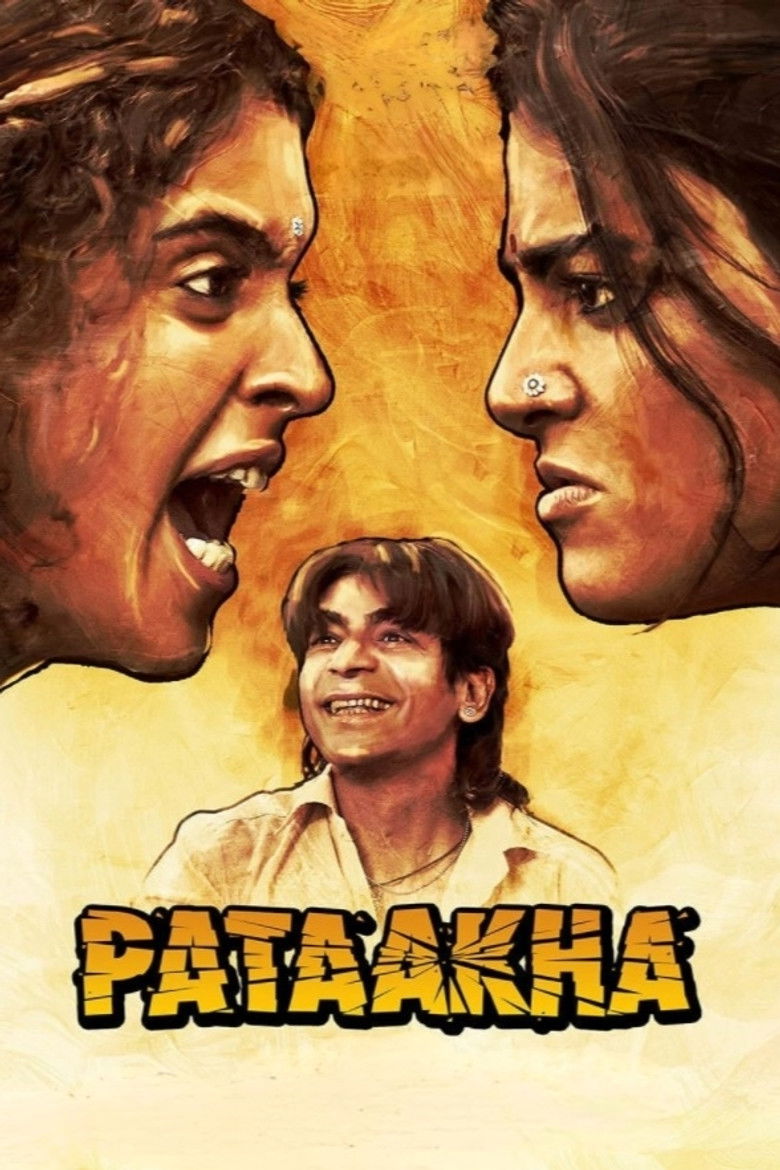
In a dusty Rajasthan village, two sisters, Badki and Chhutki, are constantly at each other's throats over trivial matters. Their father, a widower, struggles to keep them from tearing each other apart. Their meddling neighbour, Dipper, enjoys stirring up trouble between them. But when marriage takes them to different worlds, they discover how much they need each other.
Overall Score
Fair
Category Breakdown
LGBTQ+ Representation
The story focuses exclusively on a heteronormative sibling bond. There are no queer narratives or non-cisnormative identities present in the central plot.
Gender Representation
The film subverts traditional tropes by centering on two sisters defined by aggression and vocal dominance. These characters possess high agency, driving the plot through their own volatility.
Racial & Ethnic Diversity
The cast is ethnically homogeneous, reflecting a localized North Indian setting in Rajasthan. It avoids whitewashing but does not utilize diverse casting to challenge the status quo.
Religious & Cultural Diversity
The narrative embraces the chaos of a dysfunctional domestic sphere rather than a singular moral lesson. It prioritizes situational ethics and the complexity of interpersonal conflict.
Disability Representation
There are no prominent depictions of visible or invisible disabilities within the character descriptions or plot.
Strengths
Areas for Improvement
AI Analysis
Pataakha stands out for its sophisticated deconstruction of gendered behavior. By elevating female aggression and agency to the center of the conflict, the film successfully challenges traditional cinematic portrayals of women. The sisters act as drivers of the plot rather than reactive figures. However, the film lacks broader intersectional markers. The narrative remains strictly within a traditional familial framework, offering no representation for LGBTQ+ identities or individuals with disabilities. The cultural scope is also highly localized to a specific regional setting. Ultimately, the film's strength lies in its refusal to adhere to standard gender-compliant tropes, providing a nuanced disruption of conventional domestic narratives despite its narrow demographic focus.
No reviews yet. Be the first to share your thoughts on this movie!
Use the rating form above to leave a star rating and optional review.