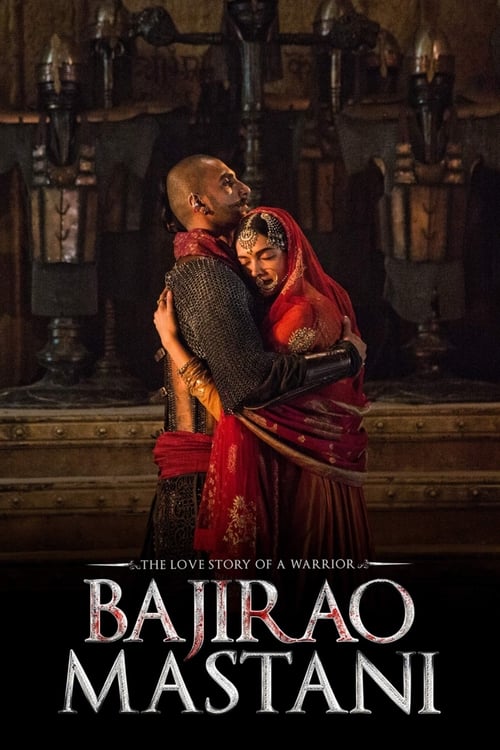
Bajirao Mastani
2015
No user ratings available yet
Representation score: 5.8 out of 10

Representation Score
Minimal
1939
Not RatedDirector
Sohrab Modi
Runtime
165 minutes
Average Rating
No ratings yetNew Showbiz Analysis
Sohrab Modi’s *Pukar* is a grand historical epic that emphasizes classical storytelling and traditional social hierarchies. It excels in ethnic authenticity, accurately depicting the North Indian demographics of the 17th century. However, the film upholds conservative social norms. Female characters often serve as symbols of honor, and the narrative focuses on duty and loyalty rather than challenging institutional power or presenting subversive identities. While the film avoids Western whitewashing, its narrative structure supports the social structures of its time rather than deconstructing them.
Category Breakdown
The film follows the traditional social structures of 17th-century India, where romantic relationships adhere to conventional courtship and marriage customs. There is no representation of LGBTQ+ themes or identities.
Women play crucial roles in the emotional storyline but often have limited independence. Their actions are frequently tied to family honor, virtue, or political disputes.
The film achieves high ethnic authenticity by focusing on Mughal and Rajput interactions. It avoids Western whitewashing by using a predominantly North Indian cast.
The story is rooted in traditional values such as duty and loyalty. Religious identities are presented as foundational worldviews without secular criticism.
There is no significant evidence regarding the portrayal of physical or neurodivergent disabilities in this production.
Present on Screen
Limited or Absent
Official Synopsis
A love affair and two feuding families who play out a Romeo and Juliet type drama in 17th century India, under the Emperor Jehangir.
2015

2010
2008

1986
1944

1970
1946
1969
No reviews yet. Be the first to share your thoughts on this movie!
Use the rating form above to leave a star rating and optional review.