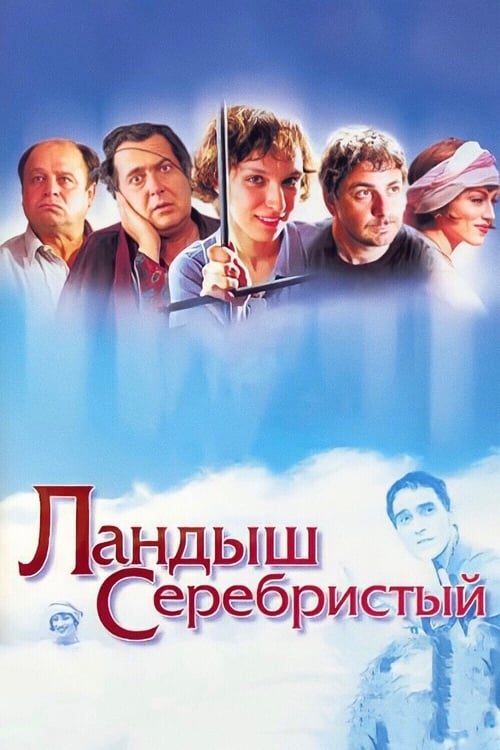
Silver Lily of the Valley
2000
No user ratings available yet
Diversity score: 3.0 out of 10
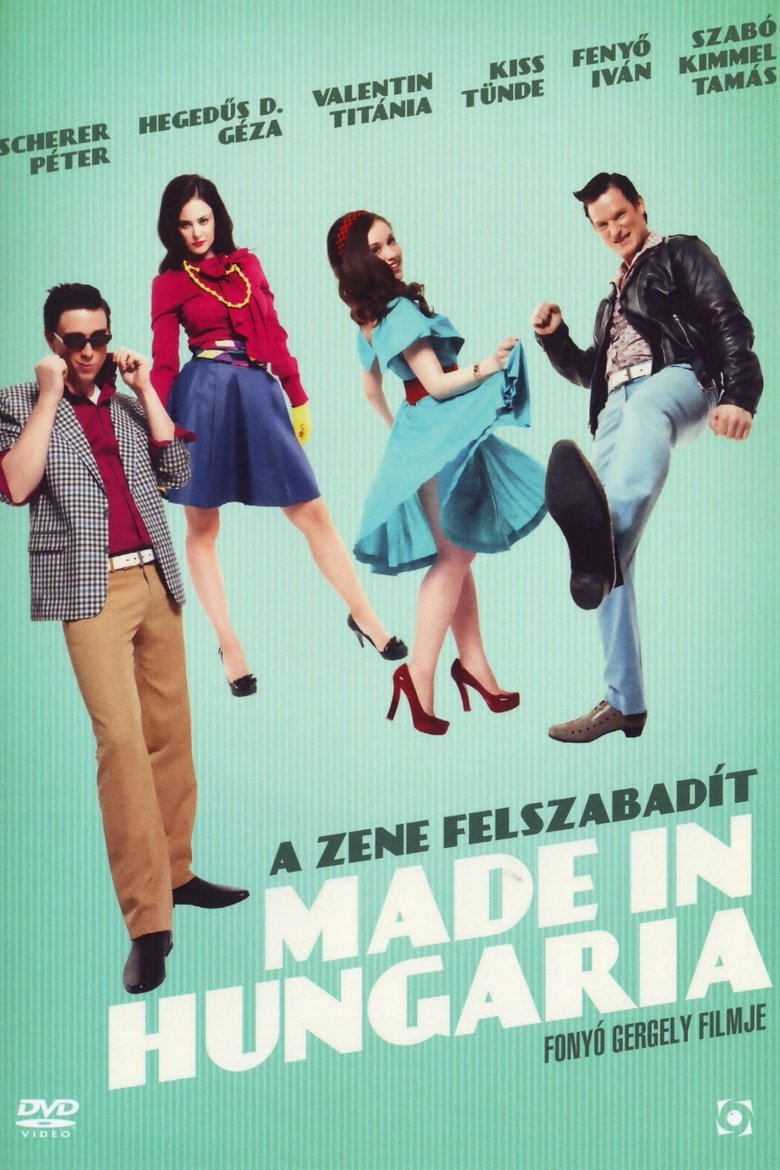
2009
Director
Gergely Fonyó
Runtime
109 minutes
Average Rating
No ratings yetSynopsis
Miklós Fenyö's parents returned to Communist Hungary in the mid sixties - when everyone else was fleeing to the West. Miki's old friends don't know what to make of his outrageous clothes, flawless American accent and collection of original Buddy Holly 45s. His childhood sweetheart is cold and distant while local tough guy Röné is unmoved by the challenger to his rock 'n' roll crown. But that's not all. When the authorities see the effect Miki's gyrating hips and lewd music have on teenage girls, they won't stand for it. His father's job is on the line, and, for the first time, Miki must play by the rules. He has no choice but to enter the local talent show...
Overall Score
Fair
Category Breakdown
LGBTQ+ Representation
The story centers on a heterosexual romantic pursuit. While it celebrates non-conformity through rock 'n' roll, it lacks explicit LGBTQ+ character arcs or identities.
Gender Representation
The film challenges traditional masculinity by highlighting the protagonist's expressive movements. The female lead displays emotional autonomy, avoiding typical submissive period-drama tropes.
Racial & Ethnic Diversity
The setting reflects a homogeneous Communist Hungary. However, the protagonist introduces Western cultural hybridity through his American accent and imported music collection.
Religious & Cultural Diversity
The narrative effectively critiques state-run institutions. It frames the Communist regime as an oppressive force against individual expression and Western-aligned cultural influences.
Disability Representation
There are no visible or invisible disabilities portrayed within the narrative arc.
Strengths
Areas for Improvement
AI Analysis
Made in Hungária is a period piece that prioritizes the tension between individual expression and state-mandated conformity. It uses the cultural friction of the 1960s to explore how Western influences challenge local systemic rigidity. The film's strength lies in its critique of institutional power. By positioning the state as an antagonist to personal freedom, it aligns with progressive themes of deconstructing oppressive structures. However, the film lacks intersectional depth. It offers little in the way of explicit LGBTQ+ representation or racial diversity, focusing instead on the clash between Eastern Bloc stability and Western aesthetic values.
No reviews yet. Be the first to share your thoughts on this movie!
Use the rating form above to leave a star rating and optional review.