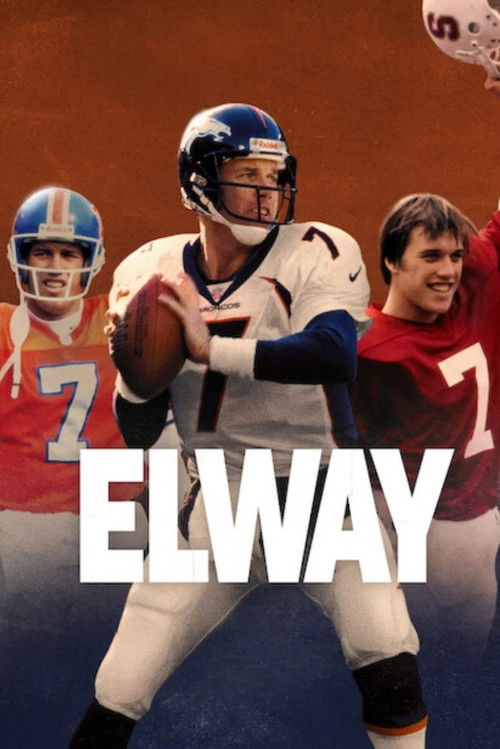
Elway
2025
No user ratings available yet
Representation score: 1.7 out of 10
Representation Score
Minimal
2013
TV-GDirector
Ken Rodgers
Runtime
79 minutes
Average Rating
No ratings yetNew Showbiz Analysis
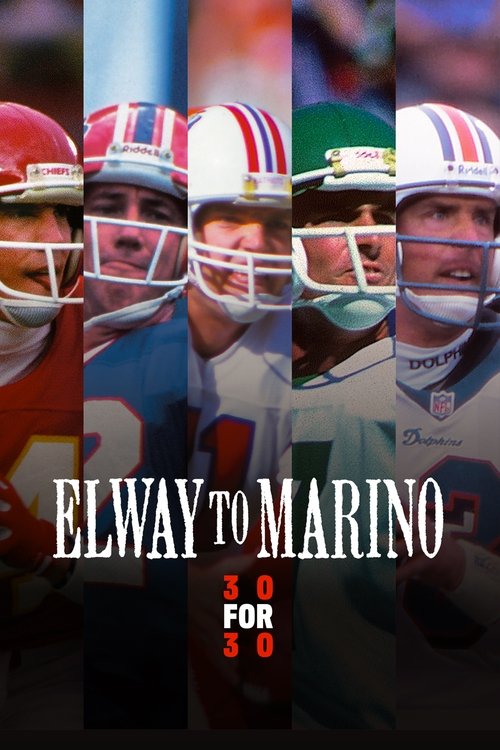
Elway To Marino functions as a historical chronicle of the 1983 NFL Draft, prioritizing the mechanics of professional sports over social critique. The narrative is inherently constrained by the era's social realities, focusing on the athletic and economic ability to act of male players. Because the subject matter centers on a specific moment in American sports history, the film adheres to a traditionalist framework. It documents the professional trajectories of athletes within a male-dominated institution, offering little room for diverse perspectives or multi-layered narratives. Ultimately, the film serves as a study of institutional power and professional hierarchy. It reflects the conventional, male-centric context of the NFL during the early 1980s rather than challenging systemic norms.
Category Breakdown
The film focuses on male athletes within the hyper-masculine environment of the early 1980s NFL and lacks LGBTQ+ characters or narratives that critique the assumption that everyone is straight or cisgender.
The storytelling centers on male leadership and professional hierarchy. There is a notable lack of women's ability to drive the story or presence within the primary subject matter.
The narrative concentrates on the specific trade of John Elway, a white athlete. While the NFL includes diverse players, the story's ability to act remains within traditional power structures.
The documentary celebrates institutional history and professional meritocracy within American sports culture. It reinforces traditional views of competition and achievement.
There is no discernible focus on disability, neurodivergence, or chronic illness within this sports documentary.
Present on Screen
Limited or Absent
Official Synopsis
ESPN's critically acclaimed documentary series 30 for 30 examined the 1983 NFL Draft Tuesday night -- the draft that saw future Hall of Fame quarterback John Elway traded to the Denver Broncos.
2025

2022
2015
2023
2021
2013
2012

2021
No reviews yet. Be the first to share your thoughts on this movie!
Use the rating form above to leave a star rating and optional review.