
Roar
2014
No user ratings available yet
Representation score: 2.6 out of 10
Representation Score
Fair
2005
Not RatedDirector
Soham Shah
Runtime
127 minutes
Average Rating
No ratings yetNew Showbiz Analysis
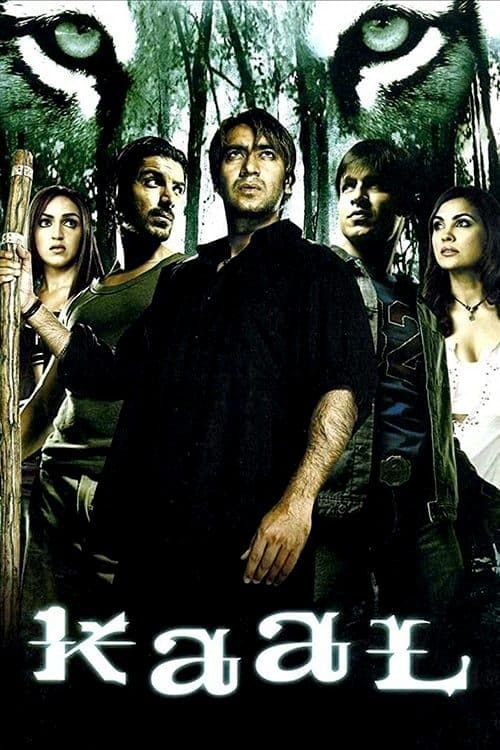
Kaal is a conventional genre piece that prioritizes atmospheric tension and survivalist clichés over progressive narrative subversion. The film relies on established social hierarchies and traditional character archetypes. The production follows mainstream commercial storytelling patterns, which limits its exploration of diverse identities or non-traditional social structures. Ultimately, the film operates as a typical mid-2000s action-thriller, offering limited representation for underrepresented groups.
Category Breakdown
The film focuses on a survivalist horror setting with heterosexual characters. There are no non-cisgender identities or same-sex relationships. The story follows traditional structures that assume everyone is straight.
Female characters such as Riya and Ishika are shown in conventional roles, often serving as emotional anchors or needing protection. The film lacks strong characterization for female leads.
The cast is mainly South Asian, reflecting the regional context of the industry. British nationals play key roles but the film lacks significant racial blending or color-blind casting.
The story emphasizes suspense over critiques of Western or domestic institutions. It follows established hierarchies rather than exploring complex moral relativism or deconstructing traditional values.
Characters are defined by their physical abilities within a survival thriller. There is no significant representation of neurodivergent or sensory-impaired individuals or those with disabilities.
Present on Screen
Limited or Absent
Official Synopsis
After a series of deaths in Orbit Wildlife Park are attributed to a man-eating tiger, wildlife reporter Krish Thapar decides to investigate the incidents for a magazine article. But something deadlier than tigers hunts in the forest.
2014

2021

2022

2007

2013

2001
2023
No reviews yet. Be the first to share your thoughts on this movie!
Use the rating form above to leave a star rating and optional review.