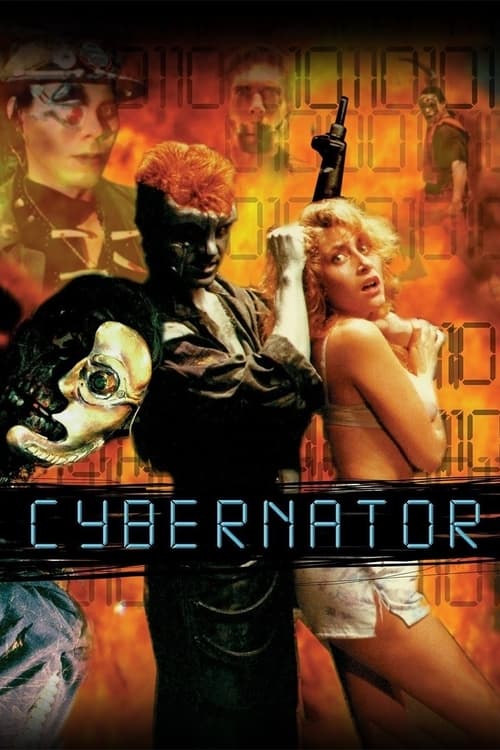
Cybernator
1991
No user ratings available yet
Representation score: 1.6 out of 10
Representation Score
Fair
1990
RDirector
Steven Lovy
Runtime
93 minutes
Average Rating
No ratings yetNew Showbiz Analysis
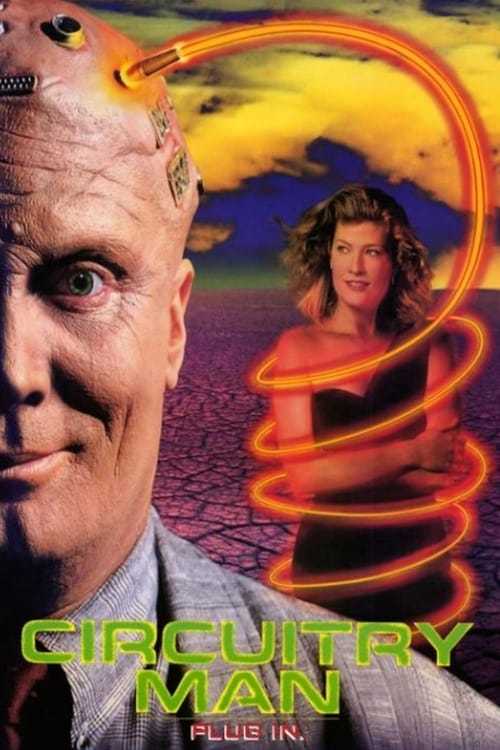
Circuitry Man is a genre-driven survival tale that prioritizes dystopian atmosphere over social representation. Its primary strength lies in its subversion of gender clichés, placing a woman in a position of physical and narrative command. However, the film lacks depth in other areas. The racial and cultural elements are largely absent, focusing instead on environmental decay and class. The depiction of bodily modification through the character Plughead risks using physical alteration as a mere shorthand for villainy. Ultimately, the film functions as a standard sci-fi action piece. While it offers minor progress in gender roles, it does not engage with broader multi-layered or identity-based themes.
Category Breakdown
The story revolves around a female bodyguard and a pleasure android. While the android concept touches on programmed intimacy, there is no evidence of explicit LGBTQ+ identities or narratives challenging the assumption that everyone is straight or cisgender.
Lori, a female bodyguard, plays a significant role in driving the story. By placing a woman in a high-stakes, physically demanding role, the film avoids making her a passive character in the action.
The setting focuses on a dystopian Los Angeles and a journey to New York. There is no evidence of a non-white majority cast or intentional representation of multiple racial backgrounds.
The film critiques consumerist escapism through the use of brain-plugged narcotics. However, it follows standard sci-fi conventions rather than deconstructing specific Western institutions or ideologies.
Plughead’s scalp sockets suggest a blend of disability and cybernetic enhancement. It remains unclear if this provides real power or simply uses physical difference as a villainous aesthetic.
Present on Screen
Limited or Absent
Official Synopsis
In a future where most humans have moved underground to escape the pollution, one of the few pleasures left is a kind of narcotic in the form of chips which can be plugged directly into the brain. Lori, a female body guard steals a case of such chips and flees underground Los Angeles with Danner, a pleasure android so that they can smuggle the chips to New York. In pursuit is Plughead, a dangerous criminal so named because of the many sockets and ports which decorate his scalp so that he can test and use the chips that he is after.
1991
1989
1989

1992
1988

1995

1994
1981
No reviews yet. Be the first to share your thoughts on this movie!
Use the rating form above to leave a star rating and optional review.