Deadly Ransom
1998
No user ratings available yet
Representation score: 2.5 out of 10
Representation Score
Limited
1999
RDirector
Worth Keeter
Runtime
94 minutes
Average Rating
No ratings yetNew Showbiz Analysis
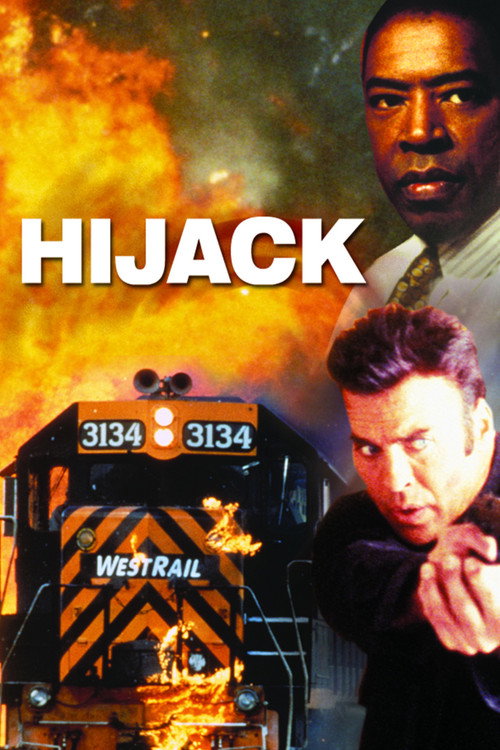
Hijack is a typical late-90s action-thriller that focuses on plot mechanics rather than identity politics. The narrative centers on the high-stakes tension of a train kidnapping and political maneuvering, leaving little room for diverse character development. The film adheres to conventional genre clichés, using traditional archetypes for its main characters. This results in a lack of representation for underrepresented groups, including LGBTQ+ individuals and those with disabilities. Ultimately, the work reinforces established social and institutional hierarchies without deconstructing them. It serves as a straightforward genre piece rather than a vehicle for social critique or diverse storytelling.
Category Breakdown
The film does not include any LGBTQ+ characters or non-cisgender identities. The story revolves around a political kidnapping scenario.
The narrative centers on a senator and a militia, which favors traditional masculine roles. It emphasizes conventional power dynamics without challenging gender hierarchies.
There is no evidence of a racially diverse cast. The story focuses on political conflict rather than demographic diversity.
The conflict involves a militia and a government official, themes that often reinforce traditional Western institutions. The story highlights standard political and institutional structures.
There are no characters with visible or invisible disabilities in the film. Neurodivergent representation is also missing.
Present on Screen
Limited or Absent
Official Synopsis
A prestigious senator and the passengers on board a train are kidnapped by a militia group.
1998

1974

1999

2002

1997
1974

1990
2006
No reviews yet. Be the first to share your thoughts on this movie!
Use the rating form above to leave a star rating and optional review.