
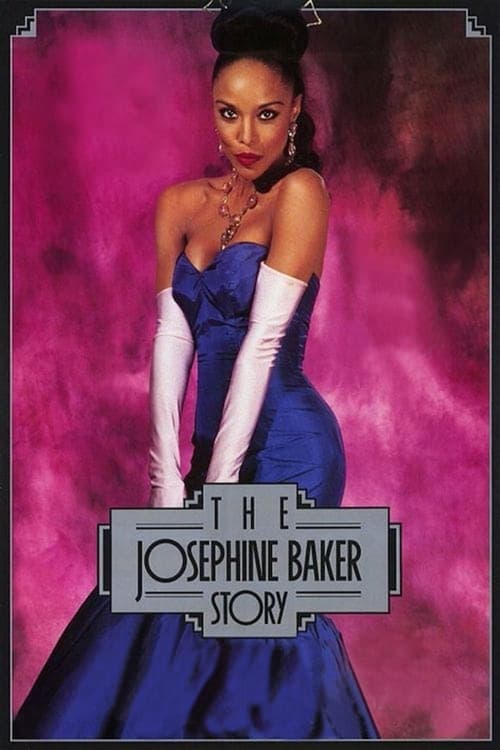
Josephine Baker: The Story of an Awakening
2018
No user ratings available yet
Representation score: 7.1 out of 10
Representation Score
Good
1991
RDirector
Brian Gibson
Runtime
130 minutes
Average Rating
No ratings yetNew Showbiz Analysis
The film serves as a powerful biographical study of systemic disruption and social change. It centers on a Black woman's journey from the restrictive American South to global prominence in France. While the film excels in racial and gender representation, it remains cautious about explicitly depicting LGBTQ+ identities. The narrative focuses more on the broader social and political implications of Baker's life than on specific non-assuming gender matches what was assigned at birth romantic arcs. Ultimately, the work succeeds by using a historical framework to critique the oppressive structures of the early 20th century, positioning Baker as a transformative force for social change.
Category Breakdown
The film explores the dynamic social environment of the Parisian cabaret scene but does not include explicit depictions of LGBTQ+ characters or same-sex romantic relationships as primary plot drivers.
Josephine Baker is portrayed as a key figure in shaping her own destiny, rather than a passive participant. Her role as a mother to her 'Rainbow Tribe' challenges traditional maternal roles.
The narrative effectively showcases the intersection of racial identity and global recognition, following Baker's journey from Jim Crow-era St. Louis to her rise in Europe. Nell Carter's performance highlights the exploration of Black identity and global fame.
The film critiques Western institutions and exclusionary social structures, emphasizing political activism and the dismantling of oppressive hierarchies through Baker's involvement in the French Resistance.
There are no significant or recurring depictions of visible or invisible disabilities within the narrative.
Present on Screen
Limited or Absent
Official Synopsis
Biography of the African-American who became a major performer in the Paris cabarets of the 1920s and 1930s. The film follows her life beginning as a struggling performer in 1917 St. Louis, her frustrations leading to her move to France, and follows to her death in 1975. Written by John Sacksteder
2018
2015
1999

1954

2021

1942
1999

2010
No reviews yet. Be the first to share your thoughts on this movie!
Use the rating form above to leave a star rating and optional review.