The Closet
2020
No user ratings available yet
Representation score: 4.4 out of 10
Representation Score
Fair
2017
TV-MADirector
Chang Hang-jun
Runtime
108 minutes
Average Rating
No ratings yetNew Showbiz Analysis
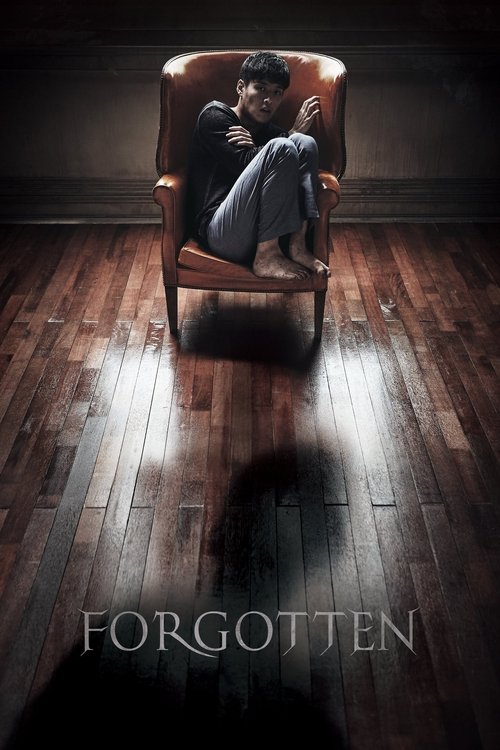
Forgotten is a character-driven psychological thriller that finds its strength in its portrayal of neurodivergence. By focusing on Jin-seok, a character living with schizophrenia, the film offers a more integrated perspective on mental health. However, the film remains largely conventional in its social architecture. The narrative relies heavily on traditional male-driven conflict and narrow family structures, lacking the broader multi-layered depth or systemic critique found in more progressive cinema. Ultimately, while the film succeeds in providing a specific lens for disability, it falls short in representing broader gender, sexual orientation, and cultural diversity.
Category Breakdown
The story focuses on familial bonds and psychological suspense. There are no LGBTQ+ characters or non-cisgender identities, maintaining traditional heterosexual assumptions.
The plot centers on male protagonists and their interpersonal dynamics. Women are mentioned but do not have prominent roles or significant influence.
As a South Korean production, the film offers a non-Western perspective. However, the cast appears homogeneous without blending diverse ethnic identities.
The film explores memory and identity within a domestic setting. It does not emphasize Western institutions or systemic power dynamics as central themes.
The protagonist manages schizophrenia, which is an integral part of his character. This provides him with a significant role in driving the story, though the narrative may still rely on medicalized clichés.
Present on Screen
Limited or Absent
Official Synopsis
Jin-seok, 21-year-old, moves into a new house with his family. He suffers from a slight schizophrenia but he carries an ordinary life under the warm care of the family. His older brother Yu-seok is a decent college student, a mentor, and role model for Jin-seok. One night, his beloved brother is kidnapped by unidentified assailants before Jin-seok's eye. Jin-seok can’t recognize their faces, but can remember only the VIN that matches with no car. After long silence of 19 days, suddenly Yu-seok returns home, but remembers nothing which had happened in the meantime. And soon Jin-seok feels Yu-seok is a total stranger.
2020
2003
2017

2015
2022
2025

2012

2010
No reviews yet. Be the first to share your thoughts on this movie!
Use the rating form above to leave a star rating and optional review.