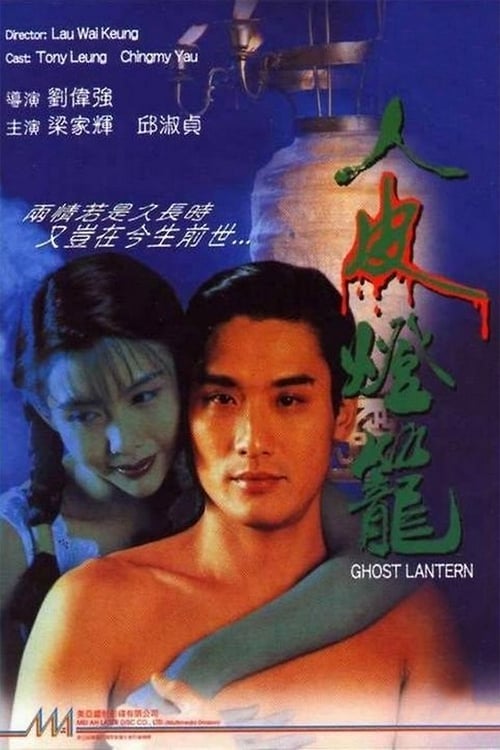
Ghost Lantern
1993
No user ratings available yet
Representation score: 5.5 out of 10
Representation Score
Fair
1997
Director
Andrew Chen Wei-Wen
Runtime
84 minutes
Average Rating
No ratings yetNew Showbiz Analysis
The film succeeds in providing a non-Western perspective by rooting its fantasy in East Asian folklore rather than Western clichés. This cultural specificity gives the work a strong identity. However, the narrative remains somewhat ambiguous regarding specific demographic identities. While the central romance challenges social norms by crossing the veil of death, it lacks explicit markers for queer or diverse gender identities. Ultimately, the film is a study of individualism versus institutional authority. It favors emotional connection over rigid societal or religious structures, offering a moderately progressive framework for storytelling.
Category Breakdown
The film explores a relationship that crosses biological and mortal boundaries. While specific queer identities are not explicitly confirmed, the bond between a human and a ghost challenges traditional heterosexual norms.
The story shifts focus away from typical masculine conquest by centering on a female spectral protagonist. The conflict pits her fluid existence against the institutionalized masculine authority of ghostbusters.
This animation serves as a vital export of East Asian folklore. It utilizes a non-Western mythological framework, successfully moving away from Anglo-centric fantasy clichés through its regional aesthetic.
The narrative explores the tension between established social institutions and individuals on the periphery. It prioritizes emotional truth over the rigid moral dictates of supernatural hunters.
The film lacks specific representation of physical or neurodivergent disabilities. While the ghost's state alters the human condition, it does not function as a disability metaphor.
Present on Screen
Limited or Absent
Official Synopsis
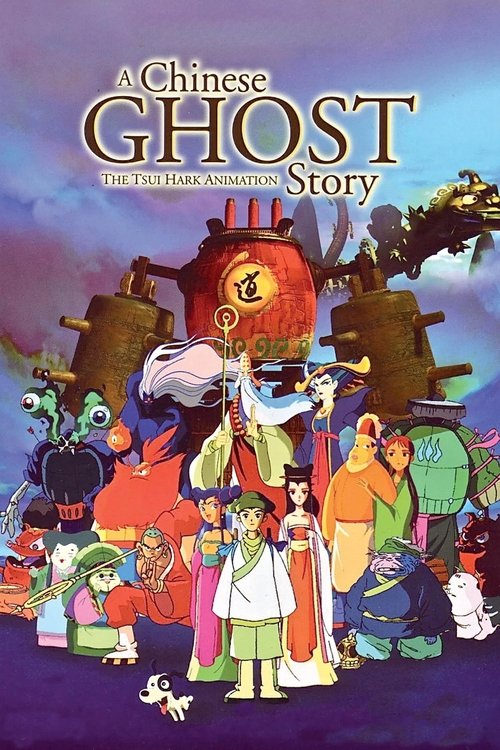
A young man falls in love with a ghost and must avoid a variety of ghostbusters out to eliminate her and each other.
1993

1991

1987

2015
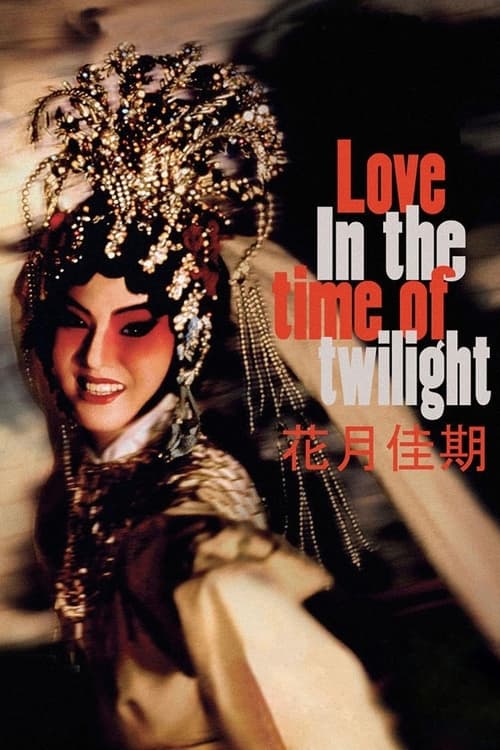
1995

1993
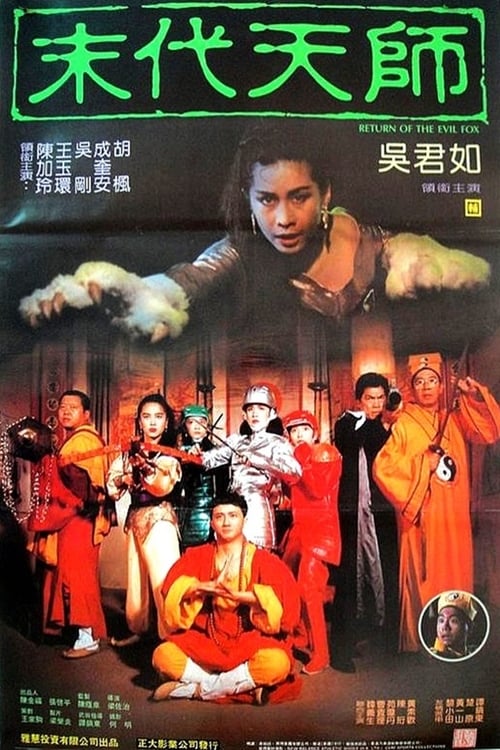
1991
1980
No reviews yet. Be the first to share your thoughts on this movie!
Use the rating form above to leave a star rating and optional review.