Play Dirty
1969
No user ratings available yet
Representation score: 0.6 out of 10
Representation Score
Minimal
1968
NRDirector
Jack Cardiff
Runtime
101 minutes
Average Rating
No ratings yetNew Showbiz Analysis
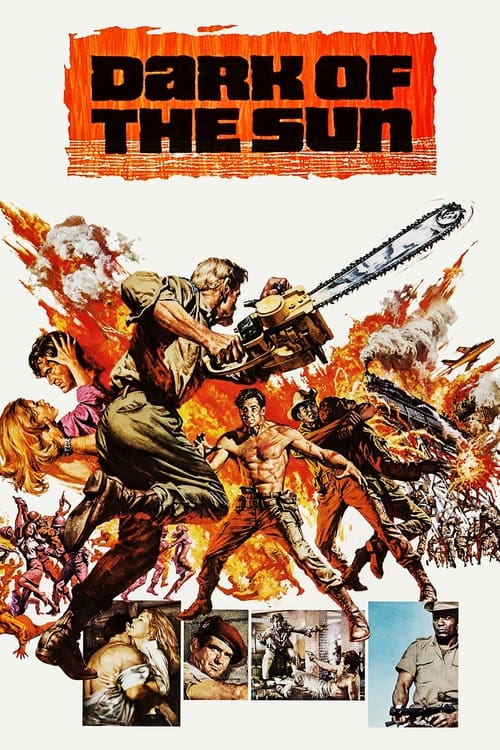
Dark of the Sun is a quintessential mid-century adventure film that emphasizes a Western-centric, male-dominated perspective. The narrative focuses on a mercenary unit, leaving little room for diverse identities or multi-layered depth. While the film introduces moral ambiguity through its protagonists' shifting loyalties, it fails to challenge systemic social or racial hierarchies. The setting of the Congo serves more as a backdrop for Western intervention than a space for local ability to act. Ultimately, the film reflects the era's cinematic norms, emphasizing traditional masculine archetypes and colonial-era viewpoints.
Category Breakdown
The film follows a strictly heterosexual and cisgender structure, with no presence of LGBTQ+ identities or same-sex intimacy.
The narrative reinforces patriarchal structures through a male-dominated cast where women have minimal roles and offer little influence over the plot.
The story is told through a Western, colonial lens with a predominantly white cast. African characters serve mainly as background elements rather than having their own choices or depth.
The film explores moral relativism through mercenaries driven by survival and gain, but it lacks any critique of Western cultural dominance or capitalism.
There is no representation of physical, neurodivergent, or sensory disabilities within the character arcs or the broader narrative.
Present on Screen
Limited or Absent
Official Synopsis
A band of mercenaries led by Captain Curry travel through war-torn Congo across deadly terrain, battling rival armies, to steal $50 million in uncut diamonds. But infighting, sadistic rebels and a time lock jeopardize everything.
1969

1950
1968

1972
1982
1980
1985
1967
No reviews yet. Be the first to share your thoughts on this movie!
Use the rating form above to leave a star rating and optional review.