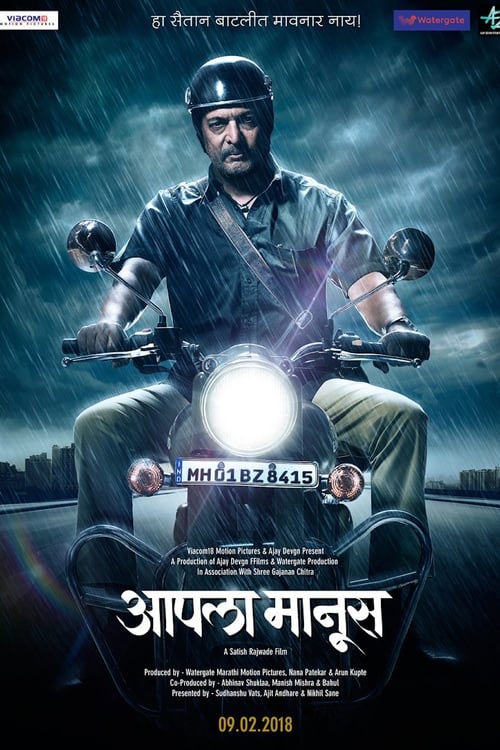
Aapla Manus
2018
No user ratings available yet
Representation score: 2.9 out of 10

Representation Score
Fair
2020
Director
Srijit Mukherji
Runtime
129 minutes
Average Rating
No ratings yetNew Showbiz Analysis
Dwitiyo Purush functions as a traditional psychological thriller focusing on individual obsession and metaphysical consequences. The narrative structure prioritizes the professional and psychological struggles of its male characters, limiting the space for diverse social perspectives. While the film offers a sophisticated cinematic experience within its genre, it adheres to conventional storytelling formulas. It lacks intentional representation of diverse identities or the dismantling of systemic hierarchies. The setting and themes are deeply rooted in local Bengali culture and spiritual concepts like karma, providing authenticity but maintaining a narrow social scope.
Category Breakdown
The film centers on the male protagonist's psychological descent and professional obsessions. There are no characters with non-traditional gender identities or narratives that question the assumption that everyone is straight or cisgender.
The main storyline is driven by male characters such as a journalist and a police inspector. The narrative emphasizes male-centric struggles, highlighting traditional hierarchies and providing limited opportunities for female characters to take control of their situations.
Set in Kolkata, the film accurately reflects the local demographic reality of West Bengal. The cast is predominantly made up of individuals from the same region, which aligns with the cultural context of the area.
The film explores themes of reincarnation and karmic retribution, which are aligned with specific spiritual traditions. The narrative stays within traditional spiritual frameworks rather than embracing secular or modern moral perspectives.
There are no characters with visible or invisible disabilities in the film. The focus remains on the psychological state of the male protagonist without addressing neurodivergence.
Present on Screen
Limited or Absent
Official Synopsis
Dwitiyo Purush is a sequel of Baishe Srabon were Prosenjit Chatterjee dies at the end. In this film we will see Parambrata chattopadhyay as a police inspector who follows the path that Prasenjit Chatterjee showed him in Baishe Srabon to fight with criminals in various regions of kolkata.
2018
2015
2010

2022

2018

2019

2011
2015
No reviews yet. Be the first to share your thoughts on this movie!
Use the rating form above to leave a star rating and optional review.