Fatal Affair
1953
No user ratings available yet
Representation score: 1.1 out of 10
Representation Score
Limited
1951
Director
François Campaux
Runtime
97 minutes
Average Rating
No ratings yetNew Showbiz Analysis
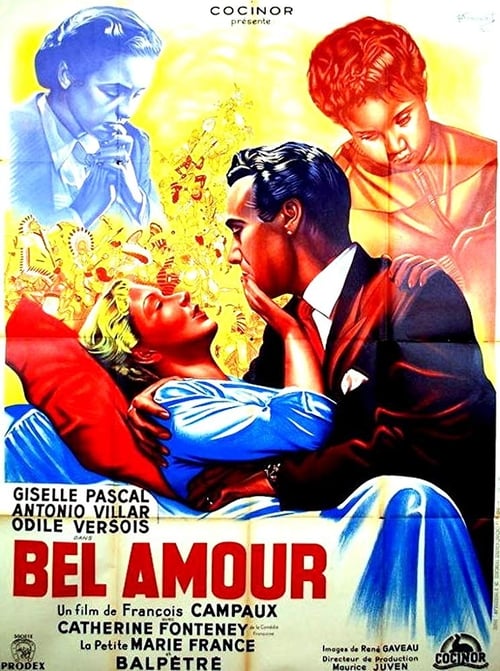
Beautiful Love is a mid-century melodrama that adheres strictly to the social and narrative constraints of its era. The story follows a doctor who leaves his family, only to be drawn back by domestic crisis and illness. The film functions as a conventional domestic drama, reinforcing mid-century hierarchies regarding gender and family structure, offering little disruption to the status quo of the period. Ultimately, the narrative relies on established clichés of suffering and responsibility to drive its emotional arc, maintaining a traditional Western perspective.
Category Breakdown
The film focuses on a marriage crisis that assumes everyone is straight or cisgender. There is no representation of diverse sexual orientations or gender identities.
The story reinforces traditional gender roles. The male protagonist plays a significant role in driving the story, while women are defined by their domestic instability or physical vulnerability.
The cast appears homogeneous, typical of 1951 French cinema. There are no non-white characters or indications of racial diversity.
The themes emphasize the preservation of the nuclear family. The story prioritizes traditional family responsibilities over any social or secular challenges.
Physical illness serves as a primary plot device, using the character's frailty to evoke sympathy rather than exploring their condition in depth.
Present on Screen
Limited or Absent
Official Synopsis
Dr. Claude Moulin leaves his wife and child for a younger woman but the child needs attention and the wife falls very ill.
1953

1965

1953

1956
1953
1939
1950

1950
No reviews yet. Be the first to share your thoughts on this movie!
Use the rating form above to leave a star rating and optional review.