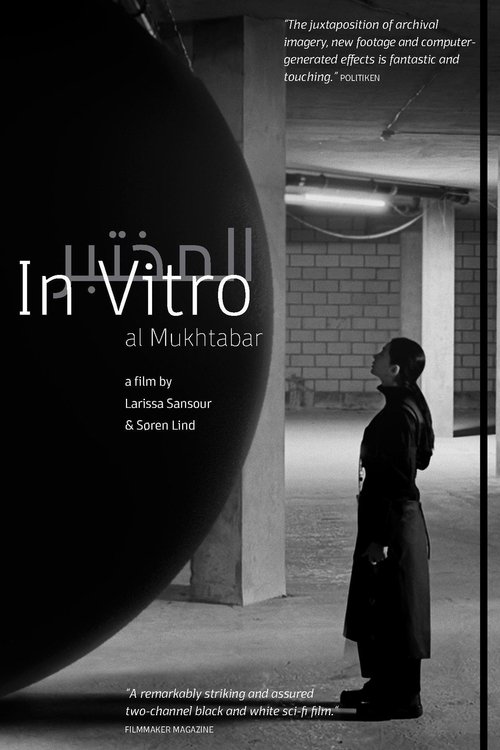
In Vitro
2019
No user ratings available yet
Diversity score: 6.1 out of 10
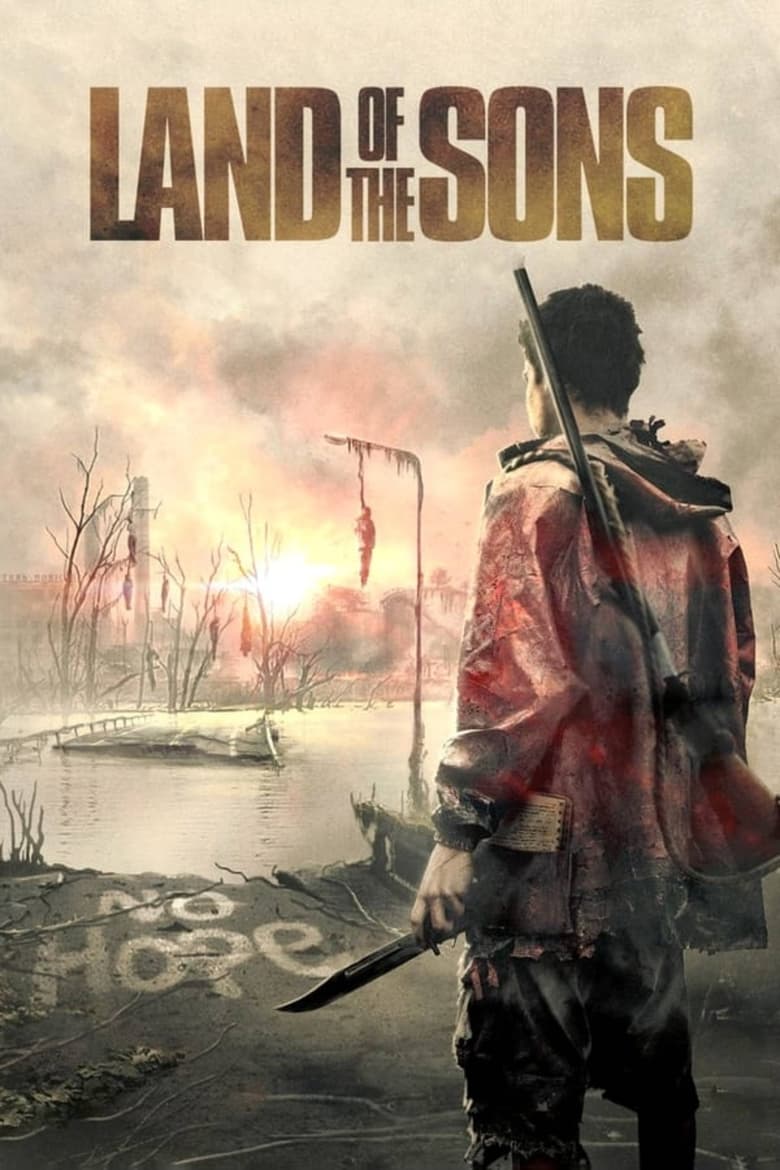
2021
Director
Claudio Cupellini
Runtime
118 minutes
Average Rating
No ratings yetSynopsis
Civilisation is coming to an end. The death of his only relative gives a feral boy the pretext to journey beyond the confines of his home environment; only by doing this will he be able to decipher his father's journal, the most valuable artefact in his legacy. This singular contribution to the post-apocalyptic sci-fi genre tells of a humanity in crisis, while at the same time conveying the adventurous spirit of adolescence.
Overall Score
Fair
Category Breakdown
LGBTQ+ Representation
The film lacks explicit LGBTQ+ characters or non-heteronormative identity arcs. The narrative focuses strictly on biological and patriarchal bonds required for survival.
Gender Representation
The story centers on traditional patriarchal structures, specifically the relationship between father and son. It does not actively promote submissive femininity but fails to disrupt established gender hierarchies.
Racial & Ethnic Diversity
The film provides a strong depiction of non-Anglo-Saxon identity by centering a Chilean, working-class perspective. This grounding in rural Chilean reality disrupts Western-centric science fiction tropes.
Religious & Cultural Diversity
The narrative offers a sophisticated critique of state authority, portraying military institutions as sources of terror. It explores the fragility of the family unit against institutional violence.
Disability Representation
There is no central portrayal of neurodivergence or physical disability. Physical struggles appear incidental to survival themes rather than serving as intentional character studies.
Strengths
Areas for Improvement
AI Analysis
Land of the Sons distinguishes itself through a grounded, non-Western perspective that avoids the typical hegemony of the science fiction genre. By centering a Chilean working-class experience, the film provides a meaningful look at Latin American identity within a post-apocalyptic framework. However, the film remains tethered to traditional social structures. The narrative relies heavily on patriarchal dynamics and lacks representation for LGBTQ+ identities or significant disability studies. While it critiques state power effectively, it does not challenge gendered hierarchies. Ultimately, the film is a culturally specific exploration of survival that prioritizes socioeconomic and ethnic realism over social identity diversity.
2019

2017
2016
2014

2015
2020
2018

2018
2019
2019
2018
2022
No reviews yet. Be the first to share your thoughts on this movie!
Use the rating form above to leave a star rating and optional review.