Poppitz
2002
No user ratings available yet
Representation score: 2.5 out of 10
Representation Score
Limited
2007
Not RatedDirector
Ingo Rasper
Runtime
105 minutes
Average Rating
No ratings yetNew Showbiz Analysis
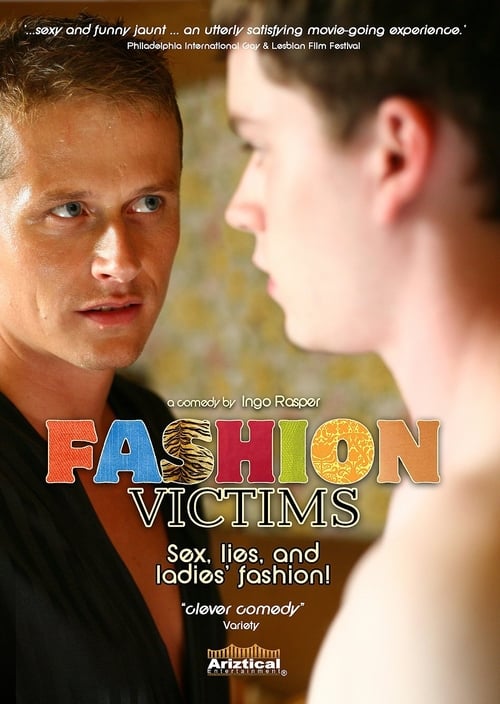
Fashion Victims is a traditional character comedy that operates strictly within established social and demographic norms. The narrative architecture prioritizes conventional family structures and professional hierarchies, offering very little disruption to traditional Western social frameworks. The film's focus on a localized, small-town German setting results in a homogeneous cast. Central conflicts revolve around middle-class consumerism and male-centric competition rather than broader social or identity-based themes. Ultimately, the work functions as a situational comedy that reinforces existing social structures rather than challenging them through diverse representation.
Category Breakdown
The story focuses on traditional family dynamics and professional rivalries. There are no LGBTQ+ characters or critiques of the assumption that everyone is straight or cisgender.
The plot centers on a male-centric framework, focusing on the male protagonist's professional struggles. Female characters appear primarily in relation to the male lead's success and family stability.
Set in small-town Southern Germany, the film depicts a homogeneous demographic. The cast and setting suggest a localized environment without significant racial or ethnic diversity.
The film explores traditional Western middle-class values, such as capitalism and the nuclear family. It prioritizes the maintenance of these institutions rather than offering a systemic critique.
There are no visible or invisible disabilities mentioned as central to the character arcs or the plot progression.
Present on Screen
Limited or Absent
Official Synopsis
At 52, traveling salesman Wolfgang Zenker (Edgar Selge) is in old school territory: he peddles the company's classic clothing line to boutiques that cater to women over 35. When Wolfi loses his drivers license in his brand-new Mercedes but can't afford to lose the season's sales because his frustrated wife (Franziska Walser) desperately wants a new bathroom, their son's vacation plans take a back seat as Karsten (Florian Bartholomäi) is forced to making sales rounds with his father instead of celebrating his high school graduation in Spain. Also making the rounds in small town southern Germany is successful and attractive sales rival Steven Brookmüller (Roman Knizka), 33. As the men's paths cross, long-hidden secrets are revealed and things come to a hilarious head.
2002

1985

2001

1991

2009

2009

2023
2015
No reviews yet. Be the first to share your thoughts on this movie!
Use the rating form above to leave a star rating and optional review.