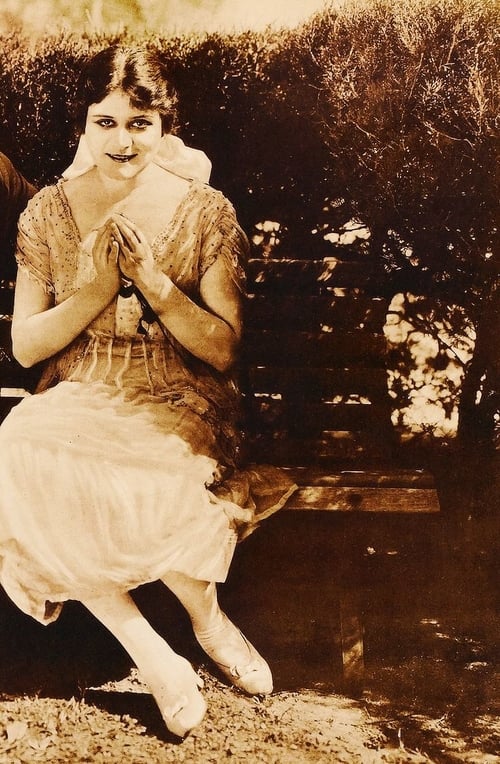
Wings of the Morning
1919
No user ratings available yet
Diversity score: 1.8 out of 10

1918
PassedDirector
J. Gordon Edwards
Runtime
90 minutes
Average Rating
No ratings yetSynopsis
As described in a film magazine, when Maria Valverda (Bara) refuses the attentions of Diablo Ramirez (Nye), he starts an insurrection among the native Filipinos. Maria's father Don Ramon is killed and Maria is held hostage. She gets word to Capt. Paul Winter (Roscoe) of the American troops in Manila and he comes to her assistance, but his troops are outnumbered and they are made prisoners by the revolting revolutionists. Maria and Paul attempt to escape, but they are caught and brought back. At the Manila headquarters, trouble is suspected and reinforcements are sent. Before long, the revolt is subdued and peace reigns over Maria's home, and happiness over the betrothal of Maria and Paul. This film is lost.
Overall Score
Limited
Category Breakdown
LGBTQ+ Representation
The film contains no LGBTQ+ characters or non-heteronormative identities. The plot follows standard heteronormative tropes centered on traditional romantic pursuit and resistance.
Gender Representation
The protagonist subverts Victorian passivity through the 'Vamp' persona, using sexual magnetism to exert agency. However, this agency is often framed as predatory within a restrictive moral framework.
Racial & Ethnic Diversity
The narrative centers on American military authority and local Filipino insurrection. The production likely relied on Western actors for non-Western roles, reinforcing colonial hierarchies rather than challenging them.
Religious & Cultural Diversity
The story aligns with Western colonial frameworks, resolving political upheaval through Western intervention. It validates the restoration of traditional authority and the sanctity of romantic unions.
Disability Representation
There is no documented evidence of characters with visible or invisible disabilities included in the narrative.
Strengths
Areas for Improvement
AI Analysis
Under the Yoke is a product of its era, heavily reliant on colonialist narratives and Western-centric perspectives. While it offers a rare moment of female agency through the 'Vamp' archetype, this subversion is limited by the film's moral framing. The film's primary focus remains the stabilization of colonial power dynamics. The resolution of the conflict through American military intervention reinforces established social orders rather than offering any critique of the colonial setting. Ultimately, the film prioritizes traditional hierarchies and romantic tropes over authentic intersectional representation or cultural depth.
No reviews yet. Be the first to share your thoughts on this movie!
Use the rating form above to leave a star rating and optional review.