Find another title
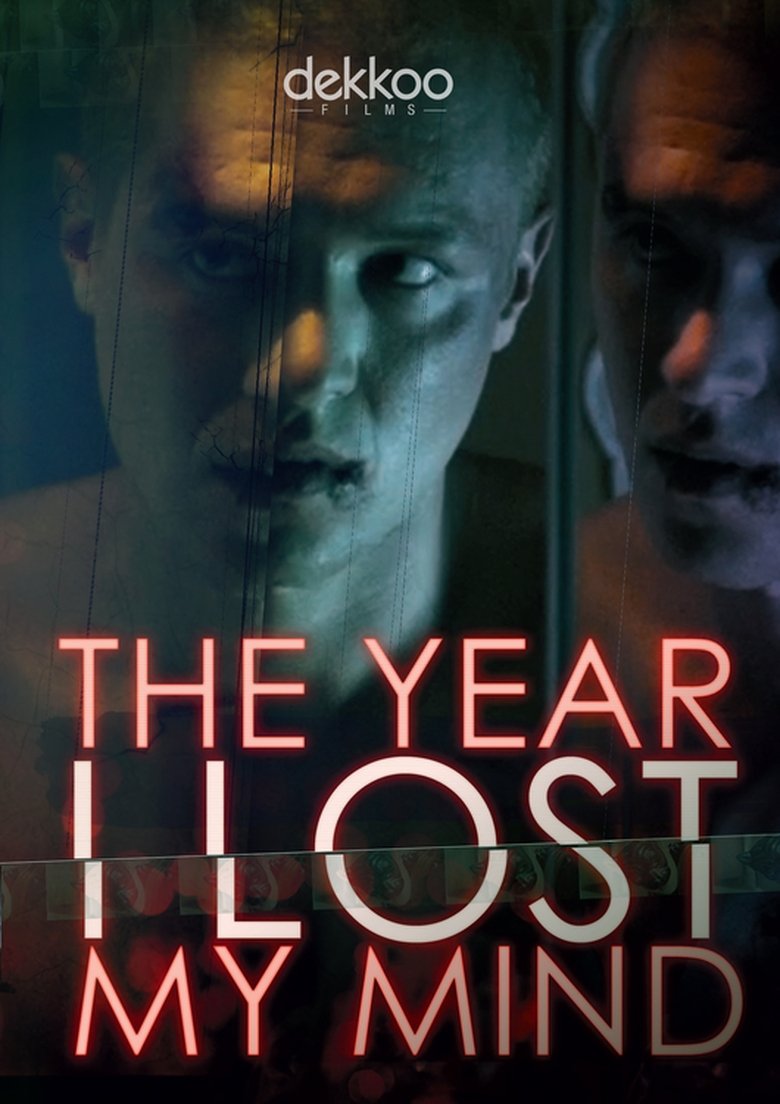
The Year I Lost My Mind
2017
Not RatedDirector
Tor Iben
Runtime
85 minutes
Average Rating
No ratings yetSynopsis
Tom is a lonely young man. During a burglary with his best friend he becomes obsessed with the victim, Lars, a young history lecturer who lives in the apartment. Tom starts to observe Lars secretly and pursue him without revealing his existence or feelings for him. At the same time, Tom is developing a second obsession to a motorcyclist that he occasionally sees. More and more Tom gets lost in a labyrinth of passions. As Lars discovers him, the persecutor becomes the persecuted leading to a shocking confrontation.
Where to Watch
Diversity & Representation
Overall Score
Limited
Category Breakdown
LGBTQ+ Representation
The film explores intense, non-traditional emotional bonds through a queer lens of obsession. However, it lacks explicit or celebratory identity narratives, relying instead on common psychological thriller tropes.
Gender Representation
The narrative focuses almost exclusively on male-to-male interactions and masculine psychological struggles. There is a notable absence of female agency within the primary plot arc.
Racial & Ethnic Diversity
The setting appears to present a homogeneous social environment. There is no evidence of intentional racial blending or the use of non-white characters to disrupt the social order.
Religious & Cultural Diversity
The story examines individual pathology rather than systemic or institutional critiques. It functions as a study of personal dysfunction rather than a deconstruction of cultural or Western morality.
Disability Representation
The film offers a harrowing look at mental health and psychological instability. It avoids tropes by focusing on the dark, destructive reality of a fracturing mind.
Strengths
- Provides a nuanced, complex portrayal of mental health and psychological disintegration.
- Avoids 'inspiration porn' by depicting the dark reality of neurodivergence.
- Explores intense, non-traditional emotional bonds through a queer-coded lens.
Areas for Improvement
- Lacks female agency and diverse gender representation in the primary plot.
- Presents a homogeneous social environment with minimal racial or ethnic diversity.
- Fails to engage with broader systemic or cultural critiques.
AI Analysis
The film is a specialized psychological study that prioritizes internal conflict over intersectional representation. It succeeds in providing a complex, non-idealized look at mental health and neurodivergence. However, the work lacks demographic breadth. The narrative operates within a narrow social sphere, focusing on male-centric obsession and a homogeneous environment. Ultimately, the film adheres to traditional psychological tropes, offering little in the way of social critique or diverse casting.
Rate this Movie
Reviews
No reviews yet. Be the first to share your thoughts on this movie!
Use the rating form above to leave a star rating and optional review.