Y Volveré...
2011
No user ratings available yet
Diversity score: 5.1 out of 10
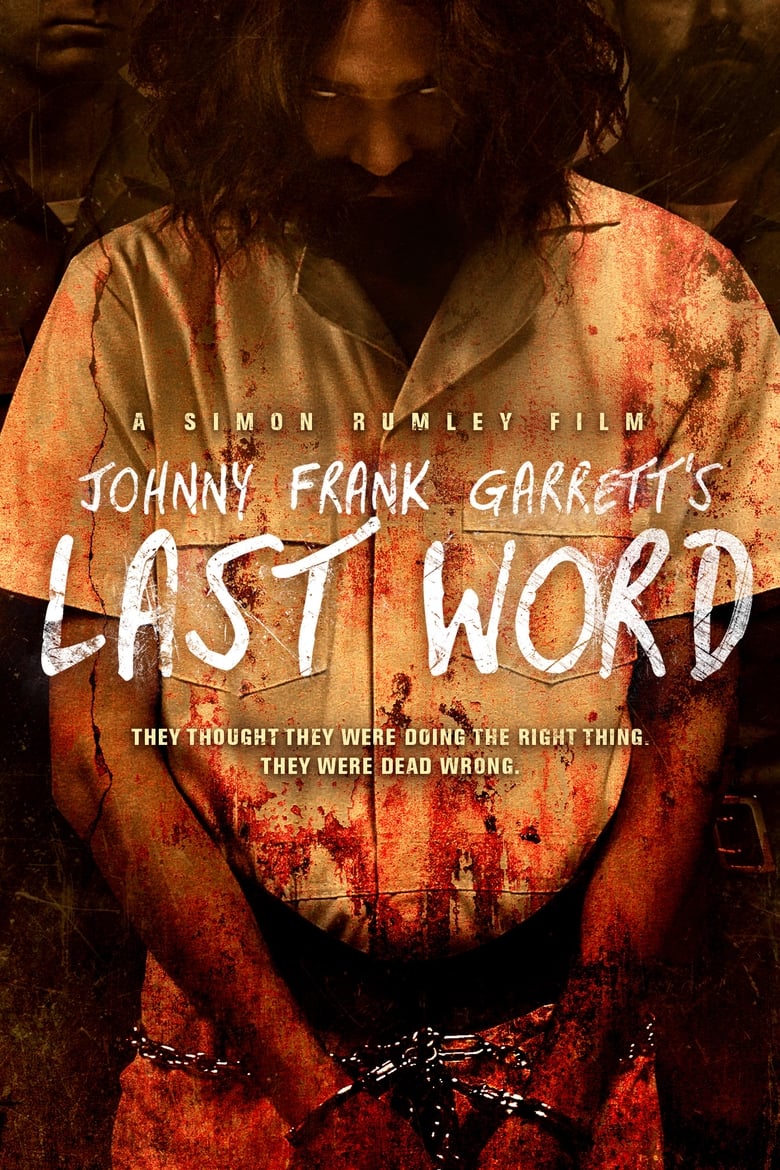
2016
Director
Simon Rumley
Runtime
95 minutes
Average Rating
No ratings yetSynopsis
When a young man is executed for committing murder, he leaves behind a curse letter, promising vengeance for all those connected to his unfair trial.
Overall Score
Fair
Category Breakdown
LGBTQ+ Representation
The film lacks confirmed LGBTQ+ identities or non-cisnormative character arcs. The narrative focuses on individual trauma and vengeance rather than identity-based exploration.
Gender Representation
The story disrupts patriarchal stability by focusing on the fallout of a failed judicial system. It allows characters to navigate power dynamics outside of traditional masculine leadership.
Racial & Ethnic Diversity
The themes of an unfair trial and vengeance provide a framework for exploring systemic inequality. The narrative suggests a preoccupation with judicial injustice and legal disparities.
Religious & Cultural Diversity
The film engages deeply with institutional critique by challenging the morality of Western legal systems. It frames state-sanctioned justice as corrupt and fallible.
Disability Representation
There is no explicit evidence regarding physical disabilities or neurodivergence. While psychological horror often explores mental health, specific character details are not verified.
Strengths
Areas for Improvement
AI Analysis
Simon Rumley’s horror film functions primarily as a critique of systemic institutional power. It uses the aftermath of a state-sanctioned execution to subvert traditional notions of justice and authority. The narrative architecture is built upon the deconstruction of state morality. By framing the protagonist as a victim of a flawed system, the film shifts the focus from standard genre tropes to a broader interrogation of social structures. While the film excels at thematic disruption, it lacks overt, verifiable evidence of intersectional identity representation. It remains a character-driven study of trauma and systemic failure rather than a showcase for diverse demographic identities.
2011
2023

2018

2020

2020

2025
1982
2017
2019
2008

2021

2003
No reviews yet. Be the first to share your thoughts on this movie!
Use the rating form above to leave a star rating and optional review.