
Rock N'Roll Cop
1994
No user ratings available yet
Representation score: 1.8 out of 10

Representation Score
Limited
1988
Director
Raymond Lee Wai-Man
Runtime
114 minutes
Average Rating
No ratings yetNew Showbiz Analysis
The film is a typical late-1980s Hong Kong action movie, focusing on genre-standard clichés of policing and romantic tension. It adheres to conventional character arcs and professional hierarchies of the time. While the film offers authentic regional representation through its East Asian cast, it does not challenge traditional clichés or narratives. The narrative structure stays within conventional cinematic boundaries. Ultimately, the work serves as a culturally specific crime drama centered on duty and redemption, without engaging in multi-layered or subversive storytelling.
Category Breakdown
The film centers on a romantic relationship between Dickson and Eva, which follows traditional heterosexual norms. There are no characters with non-binary gender identities or critiques of the assumption that everyone is straight or cisgender.
Eva rejects the protagonist due to his profession, showing ability to act through her own values. However, her role is primarily defined by her relationships with male characters, following conventional gender dynamics.
The cast is predominantly East Asian, reflecting the cultural context of Hong Kong. The film does not explore multi-ethnic the way different parts of someone's identity overlap or diverse ethnic identities.
The plot revolves around institutional themes of law enforcement and justice. It does not delve into religious or moral relativism.
The narrative does not include characters dealing with physical or neurological disabilities.
Present on Screen
Limited or Absent
Official Synopsis
Interpol officer Dickson Kwan is sent to Hong Kong to investigate in a fake passport forgery case and collaborates with officer Pau Sei and Lau Ting Kin. Due to different approaches on investigating, Dickson and Sei often get into conflicts. Later during an arrest operation, Dickson saves Sei's life and they forget about their bygones. Sei has a daughter Eva, who opposes his father to be a cop. Dickson falls in love with Eva and pursues her, however she does not like Dickson's dangerous profession and although she has feelings for him, she still rejects him.
1994
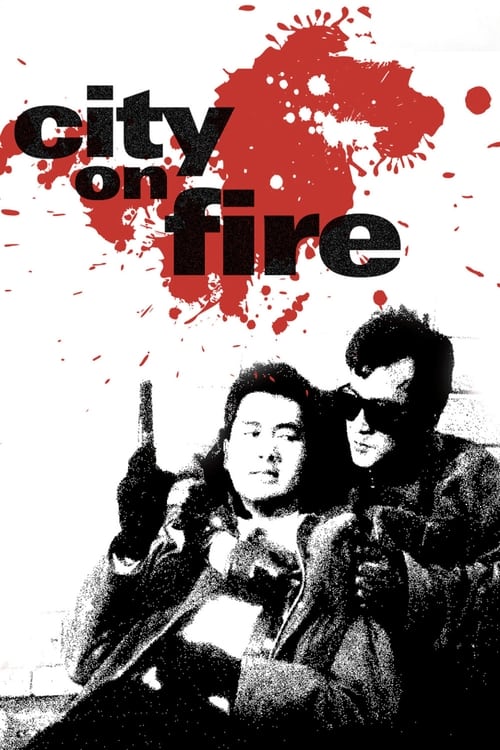
1987
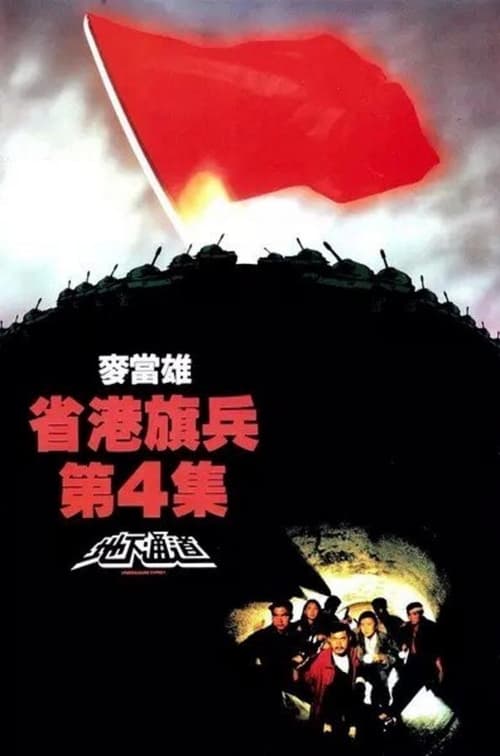
1990
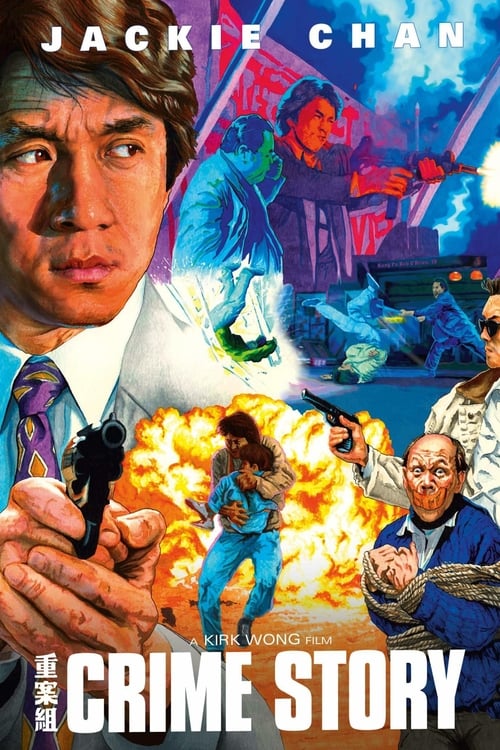
1993

1990

2024

1987

1990
No reviews yet. Be the first to share your thoughts on this movie!
Use the rating form above to leave a star rating and optional review.