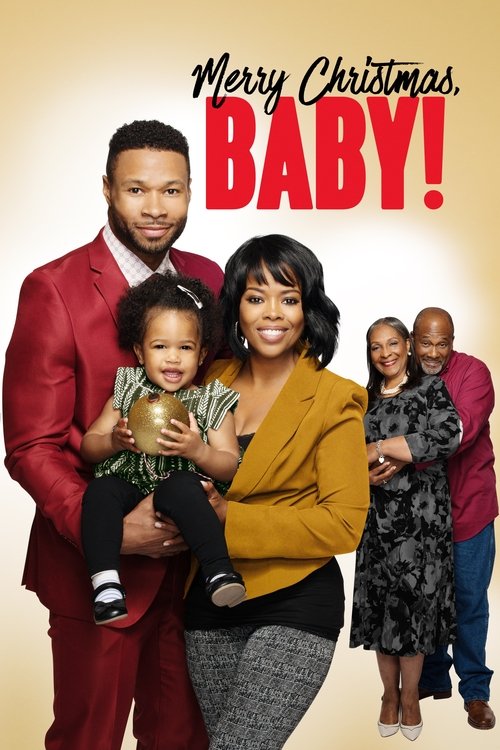
Merry Christmas, Baby
2016
No user ratings available yet
Diversity score: 4.2 out of 10
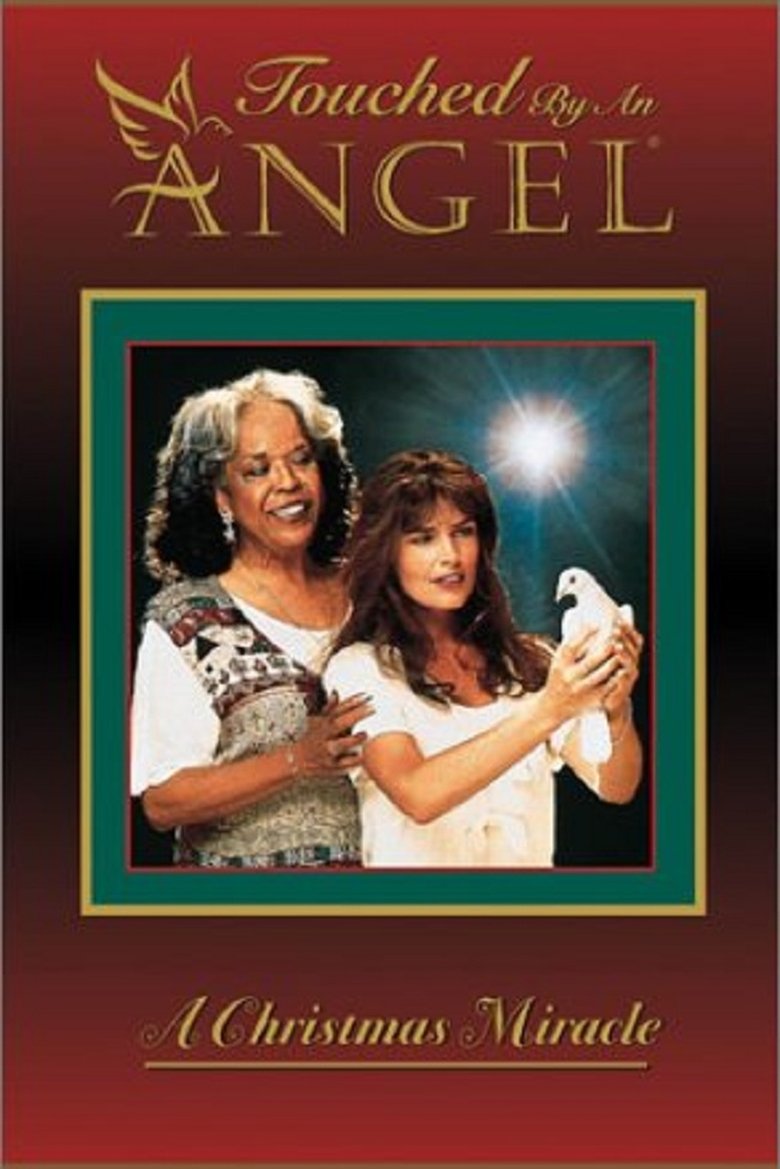
1998
TV-PGDirector
Tim Van Patten
Runtime
90 minutes
Average Rating
No ratings yetSynopsis
After their parents died, Wayne Travers (Randy Travis) began taking care of his mentally retarded brother Joey, a responsibility he was starting to regret. His only help was Joey’s friend Serena–until a miracle happened on Christmas Eve. Charles, a con-artist, arrived the next morning and divided the town with his schemes. What he didn’t expect, however, was to find pieces of his life he’d abandoned long ago, and he certainly never expected to encounter real angels. Monica and Tess (Roma Downey, Della Reese) have their hands full helping the people discern between truth and lies while protecting a miracle that reveals the true giftof Christmas. From the heartwarming , hit series, Tounced by an Angel, this poignant story is destined to become a holiday classic
Overall Score
Limited
Category Breakdown
LGBTQ+ Representation
The film operates within a strictly heteronormative framework. There are no depictions of non-cisnormative gender identities or same-sex intimacy.
Gender Representation
Female characters like Monica and Tess hold spiritual agency, yet their roles focus on nurturing and emotional labor. The story reinforces traditional domestic roles and familial stability.
Racial & Ethnic Diversity
The setting and cast reflect a predominantly white, middle-class demographic. The narrative lacks intersectional depth or a significant non-Anglo-Saxon presence.
Religious & Cultural Diversity
The story promotes a singular Christian morality centered on divine intervention. It reinforces the sanctity of the nuclear family and traditional Western values.
Disability Representation
Joey, a character with an intellectual disability, serves as a central emotional pivot. While treated with empathy, the portrayal leans toward traditional tropes of a miracle-requiring individual.
Strengths
Areas for Improvement
AI Analysis
This film serves as a conservative narrative anchor, prioritizing the reinforcement of traditional Western institutions. It focuses on religious faith and the nuclear family rather than exploring intersectional identities. The representation is largely homogeneous, adhering to the social hierarchies and religious broadcasting standards of the late 1990s. While it includes disability, it does so through a lens of spiritual redemption rather than neurodivergent autonomy. Ultimately, the work seeks to provide spiritual cohesion and moral clarity, avoiding the subversion of established social norms or the introduction of diverse cultural perspectives.
2016

2018

2017
2014

2003

2017
2011

2013

1979

2014
2013
1980
No reviews yet. Be the first to share your thoughts on this movie!
Use the rating form above to leave a star rating and optional review.