
Godsend
2004
No user ratings available yet
Representation score: 1.8 out of 10

Representation Score
Limited
2019
TV-MADirector
Chelsea Stardust
Runtime
85 minutes
Average Rating
No ratings yetNew Showbiz Analysis
All That We Destroy is a high-concept psychological thriller that prioritizes individual psychological conflict over broad demographic representation. The film centers on a female scientist, providing her with significant intellectual authority and decision-making power within a technical field. However, the narrative lacks multi-layered complexity. The story remains tightly focused on the biological and psychological relationship between a mother and her son, offering little evidence of diverse racial, ethnic, or LGBTQ+ identities. While the film engages with themes of neurodivergence and moral relativism, these elements appear tied to the central sci-fi premise rather than a broader exploration of social hierarchies or systemic identity.
Category Breakdown
The film focuses on a maternal-filial relationship and genetic experimentation. There is no evidence of non-straight or non-cisgender identities or narratives challenging the assumption that everyone is straight or cisgender.
A female protagonist holds high intellectual ability to act as a geneticist. This disrupts traditional clichés of male-dominated scientific leadership, though character dynamics remain limited.
The narrative focus is strictly on the biological and psychological relationship between a mother and son. There is no indication of a diverse cast or non-Anglo-Saxon characters.
The story explores subjective morality and the ethics of scientific intervention. It leans toward moral relativism through the protagonist's ethically ambiguous experimentation.
The plot touches upon neurodivergence through the profiling of psychopathic tendencies. It is unclear if the character possesses ability to act or serves merely as a horror plot device.
Present on Screen
Limited or Absent
Official Synopsis
A geneticist who fears that her son may be becoming a serial killer creates a group of clones in an attempt to cure him of his psychopathic tendencies by allowing him to relive the murder of his first victim.
2004
1979

1997
1998
2018

2011
1993
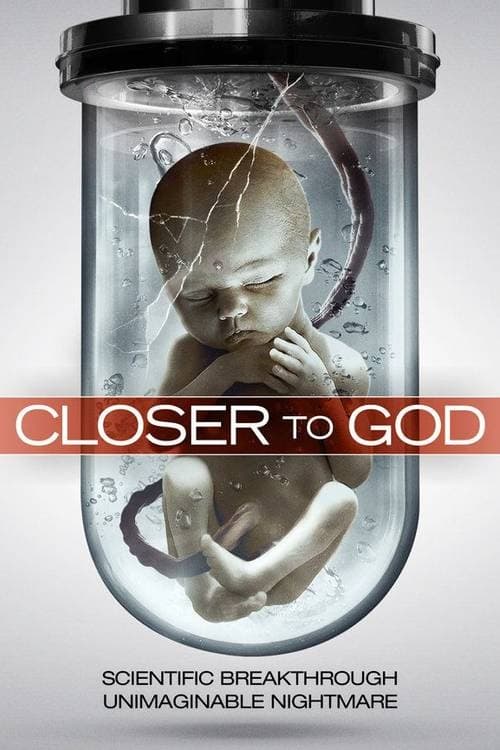
2014
No reviews yet. Be the first to share your thoughts on this movie!
Use the rating form above to leave a star rating and optional review.