
Stupid Boy
2004
No user ratings available yet
Representation score: 4.4 out of 10
Representation Score
Good
2004
Director
Rune Schjøtt
Runtime
24 minutes
Average Rating
No ratings yetNew Showbiz Analysis
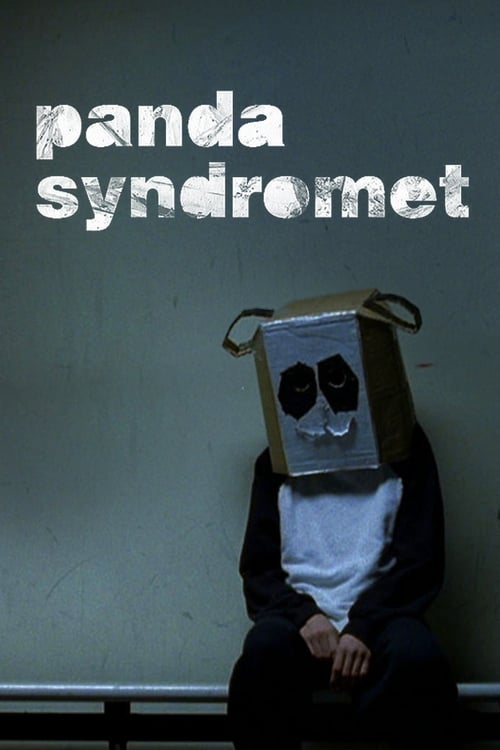
Panda Syndrome centers on a detailed character study of adolescent vulnerability. By focusing on Bjørn's internal anxieties and social incompetence, the film moves away from traditional masculine stereotypes. However, the film's scope is limited by its Danish setting, which lacks multi-ethnic casting and diverse racial dynamics. Additionally, there is no explicit LGBTQ+ representation. Ultimately, the film excels in exploring psychological complexity and individual experiences, though it does not address broader systemic or multi-layered issues.
Category Breakdown
The film does not include any explicitly queer-coded characters or non-straight relationships. The focus on romantic struggles with girls suggests a traditional storyline without much exploration of LGBTQ+ themes.
The film challenges typical masculine stereotypes by focusing on a socially awkward protagonist named Bjørn. His portrayal highlights vulnerability and psychological complexity rather than strength and dominance.
Given its Danish setting, the film does not feature multi-ethnic casting or diverse racial dynamics. The cast appears to be predominantly of the same ethnicity, reflecting a homogeneous social environment.
The story focuses on individual psychological issues rather than strict religious or cultural traditions. It explores adolescent dysfunction and social awkwardness, avoiding idealized family portrayals.
The film uses 'syndrome' as a metaphor for social anxiety. If handled with empathy, it can provide a nuanced perspective on invisible neurodivergent conditions.
Present on Screen
Limited or Absent
Official Synopsis
A young boy, Bjørn, discovers on his 17th birthday that his problems with the girls might not be self-inflicted.
2004

2000

2007

2000
2005

1998
2008

2011
No reviews yet. Be the first to share your thoughts on this movie!
Use the rating form above to leave a star rating and optional review.